Choosing the right extractor fan for your kitchen can dramatically improve air quality, reduce lingering odors, and keep your cooking area comfortable. This guide highlights five reliable options that balance power, efficiency, and ease of use. Each product is evaluated on ventilation capacity, build quality, and practical features like filters, speed control, and installation flexibility. Use the buying guide to compare options and find the best fit for your kitchen size, layout, and noise tolerance.
| Product | Ventilation Capacity (CFM) | Notes |
|---|---|---|
| HG Power 8 Inch Kitchen Exhaust Fan | 576 CFM | Metal construction, wall-mounted, backdraft damper |
| BREETEE Portable Range Hood | Not specified as CFM, portable with strong suction | No installation, plug-and-play, 3-speed |
| HG Power 6 Inch Exhaust Fan | 308 CFM | Compact, metal build, damper option |
| Klarstein Hanging Island Cooker Hood | 558 m³/h (~328 CFM) | Island design, dual filters, timer |
| Quini 512M Through-Wall Exhaust Fan | 80 CFM | Through-wall, retractable duct, adjustable fit |
HG Power 8 Inch Kitchen Exhaust Fan

The HG Power 8 Inch Kitchen Exhaust Fan is designed for robust ventilation in home or small commercial kitchens. It uses a powerful motor and large 8-inch blades to remove smoke, humidity, and odors efficiently. The unit features premium metal construction for durability and a backdraft damper to prevent backflow. With a practical energy draw of 53.5W and an airflow of 576 CFM, it combines strong performance with relatively low operating costs. This makes it suitable for wall-mounted mounting over ranges or near cooking zones where quick air exchange is needed.
BREETEE Portable Range Hood
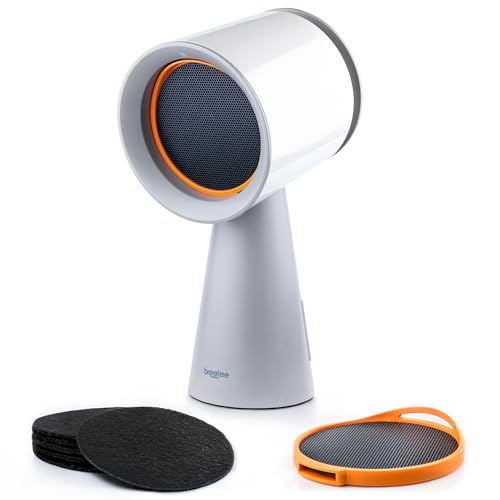
The BREETEE portable range hood offers a plug-and-play solution for spaces where ducting is not feasible. It delivers strong suction with a 3-speed control to handle smoke, odors, and grease from indoor cooking, apartments, dorms, or RV setups. The unit emphasizes versatility with a 70-inch power cord for flexible placement and a triple-core filtration system that combines an aluminum quad-core filter, a polymer layer, and activated carbon. Its “no installation” design makes it convenient for renters or temporary setups, though its airflow specifics are not stated in CFM.
HG Power 6 Inch Exhaust Fan

This 6-inch exhaust fan from HG Power is a compact solution for smaller kitchens or spaces requiring targeted ventilation. With a solid 308 CFM airflow and a 38W motor, it offers energy-efficient operation without sacrificing performance. The fan is constructed from durable metal, supporting long-term use in kitchens, garages, or workshop environments. A built-in damper option helps reduce backdraft noise and odor diffusion. It’s ideal for under-cabinet or wall-mounted installations where space is limited and effective air removal is needed.
Klarstein Hanging Island Cooker Hood

The Klarstein hanging island cooker hood is designed for kitchen islands, delivering air filtration with a chandelier-inspired aesthetic. It provides three power levels and a substantial airflow capacity of 558 m³/h (about 328 CFM). The unit includes dual 5-layer aluminum grease filters to trap grease and dust, plus two activated charcoal carbon filters to tackle odors. A built-in auto-off timer adds convenience, making it suitable for modern open-plan kitchens where both performance and design matter. Its island mount and lighting options can enhance both cooking conditions and ambiance.
Quini 512M Through the Wall Exhaust Fan

The Quini 512M through-wall exhaust fan is a versatile option for spaces where a wall-mounted or window unit is preferred. It features a 6-inch diameter and an adjustable duct allowing 2 to 15 inches of extension, accommodating walls from 6 to 19 inches thick. The copper motor coil promises durability, and the vent cover design minimizes rain, wind, and pests while maintaining airflow. A retractable duct and backdraft protection help maintain indoor air quality, especially in kitchens adjoining exterior walls or utility spaces.
Buying Guide: Key Purchase Considerations For Kitchen Extractor Fans
- Ventilation Capacity (CFM) vs Kitchen Size: Larger kitchens typically require higher CFM to effectively remove smoke and heat. Match the unit’s CFM to your room volume, cooking style, and hood placement.
- Type and Mounting: Wall-mounted, ceiling-mounted, or island hoods each serve different kitchen layouts. Island hoods, like the Klarstein model, are ideal for central cooking islands, while wall-mounted units work well over ranges in a standard layout.
- Filtration: Grease filters (often aluminum) are essential for trapping oils; activated carbon filters help manage odors. Consider models with dual filter systems for better air quality.
- Energy Use and Noise: Look for fans that balance airflow with energy efficiency and low noise. Decibel ratings and motor wattage provide practical insight into daily comfort.
- Backdraft Dampers and Seals: Dampers prevent air from flowing back into the kitchen when the fan is off, reducing heat loss and odors seeping back into living spaces.
- Installation and Maintenance: Ducting requirements, access for cleaning filters, and ease of installation influence long-term satisfaction. Portable options offer flexibility if you cannot install a permanent unit.
- Durability and Build Material: Metal housings tend to endure heat and humidity better than plastic. Durable construction supports longer service life in busy kitchens.
- Space and Aesthetics: Consider how the hood design integrates with cabinetry, ceiling height, and lighting to maintain a cohesive kitchen look.
- Through-Wall Options: If exterior mounting is preferred, ensure wall thickness compatibility and duct routing align with your home’s exterior structure.
When selecting among these options, prioritize the layout and usage patterns of your kitchen. For rented spaces or temporary setups, portable or plug-and-play models may be advantageous. For new installations, fixed units with efficient filtration and adjustable airflow can offer superior long-term performance. Always verify compatibility with your space dimensions, ducting constraints, and local building codes before purchase.