When processing venison, a sharp, reliable boning knife is essential for cleanly removing meat from bone with minimal waste. The following five blades are selected for deer butchery, combining precise curved and straight edges with comfortable handles and durable materials. Each product emphasizes edge retention, ergonomic design, and versatile use across game meat and fish alike.
Buying guide highlights the key factors to consider when choosing a boning knife for deer, followed by a concise product overview to help you compare options at a glance.
| Product | Brand | Key Features |
|---|---|---|
| HOSHANHO Fillet Knife 7 Inch | HOSHANHO | 10Cr15CoMoV steel, 15° edge, pakkawood handle, precision slicing |
| Mercer Culinary M23820 Millennia | Mercer Culinary | One-piece high-carbon Japanese steel, ergonomic grip, non-slip handle |
| Mercer Ultimate White 6″ Curved | Mercer Culinary | High-carbon Japanese steel, curved blade, ergonomic, non-slip |
| Cutluxe Curved Boning Knife – 6″ | Cutluxe | German steel, full tang, pakkawood handle, razor-sharp edge |
| KastKing Speed Demon Pro Fillet Knife 6″ | KastKing | G4116 German stainless blade, razor-sharp edge, non-slip grip |
HOSHANHO 7-Inch Fillet Knife

The HOSHANHO fillet knife uses premium high-carbon steel (10Cr15CoMoV) for durability and edge retention. Its blade is hand-polished to a 15-degree per side edge, delivering precise cuts along bone and flesh. The 7-inch blade length supports efficient deboning of venison while reducing waste. An ergonomic pakkawood handle enhances grip comfort and resists corrosion, supporting extended use in field or kitchen settings.
Mercer Culinary M23820 Millennia Boning Knife

Mercer Culinary M23820 features one-piece high-carbon Japanese steel that supports easy edge maintenance and long-lasting sharpness. It comes with an ergonomic handle and textured finger points for a non-slip grip, providing comfort, durability, and safety during deboning work. Its design suits separating meat from bone, whether trimming fat and sinew or filleting venison with precise control.
Mercer Ultimate White 6″ Curved Boning Knife
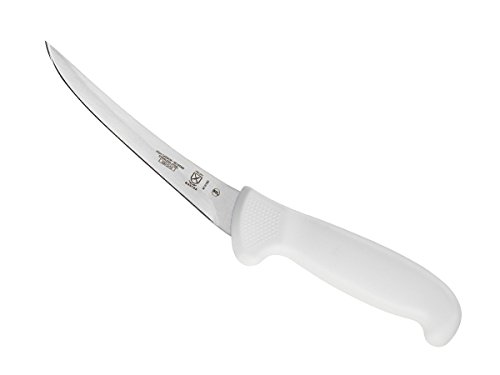
This 6-inch curved boning knife from Mercer Culinary uses high-carbon Japanese steel for easy edge maintenance and a razor-sharp blade. The ergonomic handle with textured finger points provides a secure, non-slip grip suitable for precise deboning of deer meat and other game. The curved blade allows closer cuts around bone and connective tissue with controlled motion.
Cutluxe Curved Boning Knife 6″
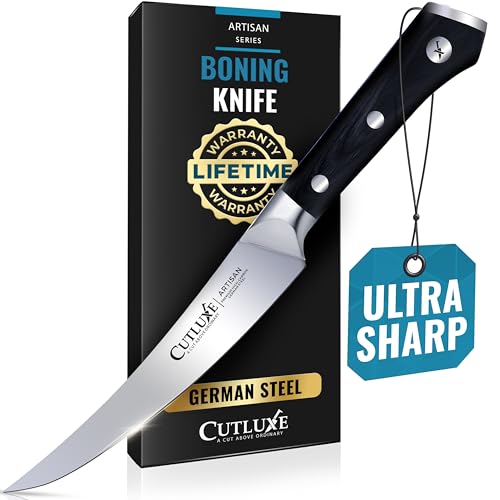
Cutluxe offers a 6-inch curved boning knife with high-carbon German steel and a full tang. The pakkawood handle is triple-riveted for stability, and the blade is hand sharpened at 14-16 degrees per side to maximize edge retention and precision slicing. The design supports efficient deboning, skinning, and trimming of venison with a smooth, controlled motion.
KastKing Speed Demon Pro Fillet Knife 6″

The KastKing Speed Demon Pro fillet knife uses a razor-sharp G4116 German stainless-steel blade designed for durability and edge retention in both freshwater and saltwater contexts. Its non-slip super polymer grip enhances safety and control during deboning and filleting jobs. The broad blade length provides versatility for processing larger venison cuts and larger game meat segments.
Buying Guide: Key Purchase Considerations
- Blade material and hardness: Higher-carbon steels offer sharpness and edge retention but may require more care to prevent corrosion. Look for stainless or corrosion-resistant alloys that balance durability with maintenance needs.
- Blade shape and length: A 6- to 7-inch curved or flexible blade is ideal for deer deboning, allowing close cuts around bone, cartilage, and sinew. A straight blade can be useful for trimming fat and making clean fillets.
- Edge geometry: Most boning knives perform best with a 14–18 degree per side edge. A sharper angle yields precise cuts, but you may trade off edge durability.
- Handle design and material: Ergonomic, non-slip handles reduce fatigue during long deboning sessions. Materials like pakkawood or high-quality synthetics offer durability and comfort in wet environments.
- Maintenance: Hand washing and thorough drying extend blade life. Some knives are dishwasher safe, but hand washing is generally recommended to preserve edge and handle integrity.
- Weight and balance: Lighter knives reduce fatigue, while a well-balanced blade helps maintain control around bones. Consider your hand size and cutting style when choosing.
- Maintenance tools: A honing rod or sharpening stone helps maintain edges between uses. Ensure you have a suitable sharpener compatible with the blade’s steel.
- Value and warranty: Invest in reputable brands offering warranties that cover normal use. Higher upfront cost often correlates with longer-lasting performance and material quality.
This selection emphasizes reliable edge retention, ergonomic design, and versatility for deer butchery. Whether you prefer a curved boning knife for close cuts or a straight edge for precise filleting, the listed options provide solid performance across field and kitchen environments.