Whether you’re packing hot meals, cold snacks, or meal prep for the week, insulated lining helps preserve temperature during transport. This guide reviews top insulated liners and lunch-bag accessories that use foil, foam, and reflective materials to reduce heat transfer. We compare pack sizes, materials, and usability to help you pick the right option for home, office, school, or travel.
| Product | Brand | Size / Pack | Notable Feature |
|---|---|---|---|
| Smilco Reusable Insulation Bags Thermal Box Liners | Smilco | 20 Pack / 11 x 15 in | Foldable and budget-friendly packaging liner |
| Bevisun Reusable Insulated Thermal Bags | Bevisun | 4 pcs / 13″ x 8.5″ x 12″ | Double-sided aluminum foil with self-sealing strip |
| Lifewit Medium Lunch Bag | Lifewit | 9L capacity | PEVA lining with 2 mm EPE foam |
| HOTOR Insulated Lunch Box | HOTOR | Medium size | 3-layer insulation with leak-proof PEVA |
| Gloppie Small Lunch Bag | Gloppie | Compact, travel-ready | Premium insulation with food-grade lining |
Smilco Reusable Insulation Bags – 20 Pack

Smilco’s 20-pack insulated liners are designed to fit a range of insulated boxes for food contact. The liners fold flat for compact storage and are intended to reduce air transportation and storage costs while providing hygienic materials. Suitable for seafood, fruit, beverages, or medicine transport, these liners support cold and hot transport at lower costs.
Smilco Reusable Insulation Bags – 25 Pack
This variant expands to a 25-pack setup with 11 x 8 inches liners. The same emphasis on foldable storage and low-cost thermal performance applies, making these liners versatile for various packaging tasks from groceries to medicines. They are described as leak-resistant and hygienic for repeated use.
Bevisun Reusable Insulated Thermal Liners

Bevisun’s four-pack features aluminum foil with a self-sealing strip for easy use. The dual-sided foil reflects heat and UV while a bubble layer reduces air convection. The liners are described as waterproof, non-toxic, and suitable for transporting frozen foods. The opaque surface helps maintain privacy for stored items.
Lifewit Medium Lunch Bag Insulated
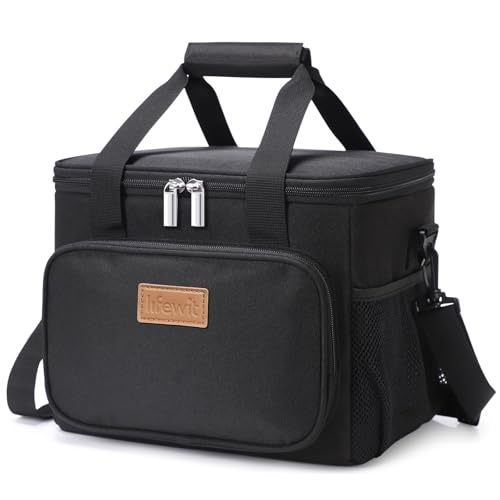
Lifewit’s insulated lunch bag combines interior PEVA with 2 mm foam for thermal protection. It supports a 9-liter capacity and can accommodate foods, drinks, and containers for office or travel. The exterior is built from durable, water-resistant Oxford fabric with leak resistance and easy cleaning for everyday use.
HexinYigjly Insulated Lunch Bag

HexinYigjly offers a premium-looking lunch bag with external cationic fabric, pearl cotton lining, and inner aluminum foil. The design emphasizes heat preservation, durability, and a practical portable handle. It’s positioned as suitable for daily commutes, work, and travel with a focus on easy care and long-term use.
HOTOR Insulated Lunch Box

HOTOR features a robust 3-layer insulation system with Oxford fabric, pearl cotton, and PEVA lining. It advertises up to 7 hours of cooling and 6 hours of warming. The bag includes multiple pockets for organization, a front zip pocket, and an adjustable strap for convenient transport, offering a balance of capacity and leakage protection.
Gloppie Small Insulated Lunch Bag
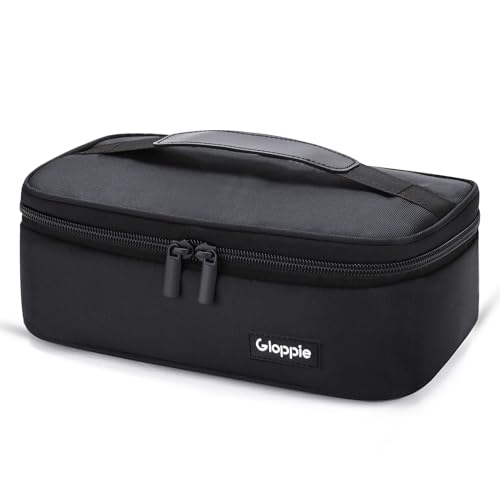
Gloppie’s compact design uses thickened aluminum foil and EPE foam to keep contents cold or warm for several hours. It’s lightweight and portable, making it a practical option for students or commuters who prefer a smaller, easy-carry bag without sacrificing insulation performance.
Buying Guide: Key Purchase Considerations
- Insulation materials: Foil-based liners with bubble layers provide high reflectivity and reduced convection; foam cores add padding and temperature stability. Consider whether you value maximum temperature retention or lightweight portability.
- Size and capacity: Align liner dimensions with your lunch box or bag interior. Larger packs offer flexibility for bulk use, while compact options fit small totes or kids’ bags.
- Leakage and waterproofing: Look for leak-proof linings (PEVA-coated interiors, water-resistant fabrics) if you transport soups, sauces, or icy packs.
- Reusability and hygiene: Reusable liners save waste but require proper cleaning. Check for non-toxic materials and food-contact safety certifications.
- Storage and portability: Foldable liners save space when not in use. Flat-fold designs can reduce bulk in transit or when storing at home.
- Durability and care: Consider stitching quality, fabric wear-resistance, and whether cleaning methods (wipes, hand wash) are practical for your routine.
- Intended use: Office, school, travel, or grocery runs—match the product’s design features (pockets, straps, handles) to your typical scenario.
- Cost-efficiency: Bulk packs reduce per-unit cost and waste, but evaluate whether you need the full pack or a smaller set for your lifestyle.
Choosing the right insulated lining involves balancing size, material quality, and practicality for your daily routines. The products listed above vary in pack size, insulation technology, and portability to cover a wide spectrum of use cases—from large-volume meal prep to compact, kids-friendly lunch bags. Always verify compatibility with your existing lunch containers and the temperature needs of your foods when making a selection.