Choosing the right coconut oil for cutting boards and wooden kitchenware can extend their life and maintain a sanitary, appealing surface. This guide reviews top coconut-derived cutting board oils, focusing on food safety, penetration into wood fibers, and natural conditioning without mineral oil. Each product below is selected for American homes seeking eco-friendly, plant-based wood care that protects against cracking, drying, and staining.
| Product | Brand | Key Benefit | Link |
|---|---|---|---|
| CLARK’S Coconut Cutting Board Oil | CLARK’S | Deep wood penetration; food safe; no mineral oil | Amazon |
| Verdana Food Grade Cutting Board Oil | Verdana | Coconut-derived; organic and non-toxic; restores surfaces | Amazon |
| Bees&Coconuts All-Natural Cutting Board Oil | Bees&Coconuts | Fractionated coconut oil with beeswax; US-made | Amazon |
| Rhino Wax Coconut Cutting Board Oil | Rhino Wax | No mineral oil; deep conditioning; food-grade | Amazon |
| Walrus Oil Cutting Board Oil | Walrus Oil | FDA food-contact safe; plant-based; great for boards | Amazon |
Product selections emphasize natural coconut-based formulas, absence of mineral oil, and proven performance on cutting boards, butcher blocks, and wooden utensils. Each option is designed to keep wood hydrated, minimize drying and cracking, and provide a protective layer without leaving a sticky or rancid residue.
CLARK’S Coconut Cutting Board Oil

CLARK’S Coconut Cutting Board Oil is a refined, plant-based coconut oil designed for kitchen countertops, butcher blocks, and wooden bowls. The product emphasizes food safety with no mineral oil and claims deep penetration into wood grain, helping prevent drying and cracking when applied every 3–4 weeks. Its refined formula aims to nourish and protect without additives or preservatives, making it suitable for frequent use on cutting boards, bamboo boards, salad bowls, utensils, and counters. The oil supports moisture retention and provides a protective seal against everyday moisture exposure in the kitchen.
Verdana Food Grade Cutting Board Oil

Verdana offers a coconut-derived, organic, kosher, and non-GMO formula that is free from synthetic additives and petroleum. Marketed as safe for all kitchen uses and ideal for households prioritizing non-toxic wood care, this oil nourishes and restores wood surfaces by deeply penetrating the grain. It is positioned as a conditioner and polish for butcher blocks, cutting boards, bamboo, utensils, and wood furniture, helping to prevent cracking, drying, and splitting while maintaining a natural finish.
Bees&Coconuts All-Natural Cutting Board Oil

Bees&Coconuts combines fractionated coconut oil with beeswax to create a natural, two-ingredient oil designed for boards, butcher blocks, and wooden utensils. The beeswax adds a protective layer and a revitalized finish while the fractionated coconut oil hydrates and nourishes wood. Produced in small batches in the USA, this option emphasizes a simple, clean formula that avoids mineral oil and synthetic additives, appealing to buyers who value straightforward, skin-safe wood care.
Rhino Wax Coconut Cutting Board Oil
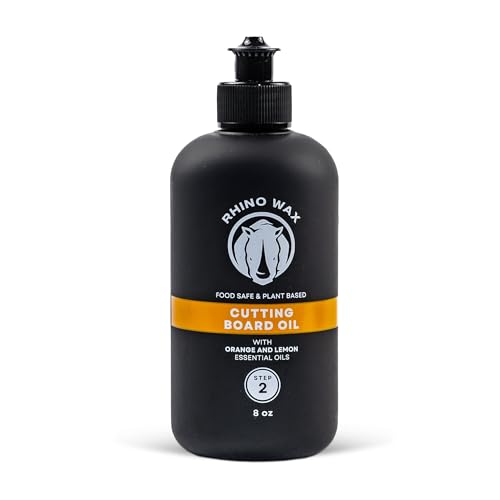
Rhino Wax Coconut Cutting Board Oil focuses on hydrating and conditioning wood to prevent cracking and warping. It highlights a no mineral oil formula and positions itself as a natural, food-grade oil suitable for cutting boards, butcher blocks, and other kitchen wooden items. Regular use supports the wood’s moisture balance and maintains a stable, appealing finish while avoiding petroleum-based ingredients.
Walrus Oil Cutting Board Oil

Walrus Oil presents a plant-based, FDA-approved option designed for cutting boards and wooden kitchenware. Its formulation emphasizes food-contact safety and ease of use, catering to households seeking a reliable, natural wood conditioner without mineral oil. The product supports moisture retention, reduces drying, and helps extend the life of boards, spoons, and bowls through regular application.
Buying Guide
- Ingredient base: Prioritize 100% coconut-derived oils or blends that explicitly avoid mineral oil and synthetic additives for a truly natural finish.
- Penetration and protection: Look for statements about deep wood penetration to hydrate fibers and form a protective, water-repellent layer.
- Food safety and certifications: Choose products labeled for food contact or that are designated as food-grade, Kosher, or non-GMO when possible.
- Oil vs. oil-wax combos: Some brands pair coconut oil with beeswax or carnauba wax to provide an additional protective layer; consider your preference for a satin finish vs. a light glossy appearance.
- Ease of use and maintenance: Consider application frequency (every 3–4 weeks vs. as needed) and whether the product includes a built-in applicator or brush.
- Domestic production: US-made products may align with expectations for supporting local manufacturing and shorter supply chains.
- Avoid rancidity: Some coconut oils use refining methods to prevent rancidity; read product notes on shelf life and odor to ensure long-lasting performance.
- Multi-surface compatibility: If you use boards for utensils, bowls, and countertops, select a versatile oil that conditions all these surfaces effectively.
When comparing options, weigh the balance between purity, penetration depth, and finish. For households sensitive to odors or allergens, a simple two-ingredient formula with coconut oil and beeswax may offer predictable performance with minimal scent. Conversely, some users may prefer a sprayable or wax-infused product for a quicker, more protective seal. Always follow the manufacturer’s usage guidelines and test a small area before broad application to ensure your wood surface responds well.