Clay-based Dutch ovens offer natural moisture retention and steady heat that help deliver bakery-quality crusts at home. This guide highlights five clay- and ceramic-style options ideal for baking bread, from compact loaves to family-size rounds. Each product blends traditional clay construction with modern safety features, designed for even heat distribution and easy cleanup. Read on to compare sizes, lids, and care instructions to choose the best clay vessel for your bread journey.
| Product | Brand | Capacity | Notes |
|---|---|---|---|
| Eurita Clay Roaster, 4 Quart | Reston Lloyd | 4 quarts | Non-stick earthenware, toxin-free |
| Reston Lloyd Eurita 2 Quart Terracotta | Reston Lloyd | 2 quarts | Natural clay, lead- & cadmium-free |
| Romertopf Clay Roaster | 1.6 Quarts | Römertopf | 1.6 quarts | Glazed base, versatile for bread |
| Reston Lloyd Eurita 4 Quart Non Stick | Reston Lloyd | 4 quarts | Natural clay, non-stick variant |
| LE TAUCI 3 Qt Ceramic Dutch Oven | LE TAUCI | 3 quarts | Non-toxic ceramic, silicone sling |
Eurita Clay Roaster, 4 Quart
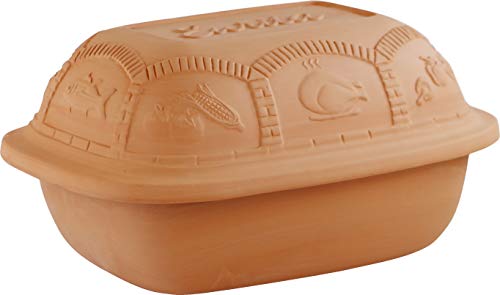
The Eurita 4 quart clay roaster by Reston Lloyd uses natural clay with no lead, cadmium, or fillers, and is tested for safety in Europe and the USA. The ungauzed lid is soaked before use; steam builds a moisture blanket during cooking, enhancing crust and crumb. The bottom is glazed with a glass frit lining for easy cleaning, and the unit is microwave and oven safe up to 500 degrees F. This size suits medium loaves or small round shapes, supporting slow, even baking that helps develop crusty exteriors.
Reston Lloyd Eurita 2 Quart Terracotta

This 2-quart Terracotta option from Reston Lloyd uses natural clay, offering lead- and cadmium-free construction. The unglazed lid is prepared by soaking before use to create steam during cooking, while the lid’s design allows some steam to escape for a balanced baking environment. The glazed bottom segment simplifies cleaning, and the unit remains safe in both microwave and oven settings up to 500 degrees F. It’s well-suited for small boules or individual sourdough loaves and intimate baking sessions.
Romertopf Clay Roaster | 1.6 Quarts

Römertopf’s 1.6-quart clay roaster is designed for small households and bread baking. The all-natural clay material is free of harmful fillers, with a glazed base that cleans easily. It is oven- and microwave-safe up to 500 degrees F, and safety-tested in both Europe and the USA. Its compact size makes it ideal for single loaves, personal sourdough rounds, and quick bread projects where precise moisture control promotes a crisp crust and tender crumb.
Reston Lloyd Eurita 4 Quart Non Stick

This 4-quart Eurita non-stick clay roaster combines the natural clay benefits with a non-stick interior for easier bread removal and cleanup. It retains moisture well during baking, and the unglaed lid is used with soaking to generate a steam blanket. The bottom glaze supports straightforward cleaning, and the unit tolerates microwave and oven use up to 500 degrees F. It’s a practical mid-size option for families who bake regularly and want simple maintenance and reliable performance.
LE TAUCI 3 Qt Ceramic Dutch Oven
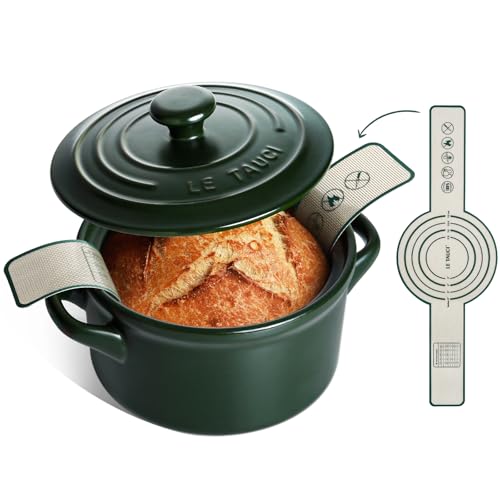
The LE TAUCI 3-quart ceramic Dutch oven focuses on non-toxic construction and lightweight handling. The tight-seal lid traps steam to produce a bakery-style crust, while high-fired ceramic ensures even heat distribution for bread, roasts, and casseroles. A silicone sling helps lift hot loaves without sticking or tearing. This option is particularly appealing for home bakers seeking a health-conscious, easy-to-use vessel with straightforward maintenance and dishwasher-safe components.
Buying Guide
- Material and health considerations: Natural clay or ceramic options are free from coatings and heavy metals in many models, promoting clean flavor and safe cooking. Look for products labeled toxin-free or lead- and cadmium-free.
- Capacity and loaf size: Choose a size that fits your bread plans, from compact 2-quart loaves to larger 4-quart roasters or 3-quart ceramic pots. Larger vessels support bigger boules and family-style meals, while smaller ones suit daily breads and quick sourdough rounds.
- Lid design and steam management: Unglazed lids or steam-capable designs help control moisture and crust formation. Some lids allow some steam escape, which can balance crust development and prevent sogginess.
- Cleaning and maintenance: Glazed bottoms simplify cleaning, while unglazed interiors may require soaking and careful drying. Consider models with dishwasher-safe parts or easy-to-clean finishes if you prefer low maintenance.
- Heat tolerance and versatility: Ensure the vessel is safe for oven and, if needed, microwave use. Some clay roasters handle high temperatures for bread baking and can double as casseroles or roasters for other meals.
- Preparation and handlings: Some sets include recipe guides or booklets, making it easier to start baking bread with clay vessels. Handles, slings, or pot lifters can aid in safe transfer when hot.
- Durability and safety testing: Look for products tested for safety in both Europe and the USA, particularly when choosing clay or ceramic cookware intended for high-heat bread baking.