Clay pots offer unique heat retention and flavor development for soups, stews, braises, and everyday dishes. This guide highlights five top clay pots that balance durability, safety, and cooking versatility for American kitchens. Each option covers different capacities, shapes, and uses—from traditional terracotta roasters to modern ceramic bowls with lids—so you can select the right tool for your cooking style.
| Product | Brand | Capacity | Highlights |
|---|---|---|---|
| Heavy Duty Claypot | Souped Up Recipes | 4.5 Quart | Caramelization, lighter weight, high heat capacity |
| Eurita 2 Quart Terracotta Dutch Oven | Reston Lloyd | 2 Quart | Natural clay, lead & cadmium free, oven/microwave safe |
| Eurita 4 Quart Clay Roaster | Reston Lloyd | 4 Quart | Non-stick earthenware, toxin-free, safe to 500°F |
| Portuguese Glazed Clay Pot With Lid | Generic | 7 Quarts | Handmade in Portugal, porous for even moisture, table-ready |
| Okllen Korean Ceramic Bowl With Lid | Okllen | 54 oz | Double handles, vented lid, keeps food hot |
Summary notes: Each pick emphasizes safety (lead-free and toxin-free materials), heat distribution for even cooking, and practical design features such as lids, handles, and durable glazes. The collection spans compact 2-quart roasters to larger 7-quart cazuelas, suitable for everything from weeknight stews to hearty braises and individual bowls for sizzling meals.
Heavy Duty Claypot – Replaces Both A Dutch Oven And Stock Pot

Features: Heavy duty walls enable better caramelization and browning than stock pot alternatives. Weighs less than most Dutch ovens of a similar size, making it easier to move. High heat capacity maintains steady heat for long periods, ideal for soups, stews, congee, and also doubles as a serving dish. This versatile 4.5-quart pot blends traditional clay’s flavor with practical kitchen handling.
Reston Lloyd Eurita 2 Quart Terracotta Dutch Oven

Features: Made from all-natural clay with no lead, cadmium, or fillers; European/USA safety testing. Unglazed lid helps create steam while allowing some escape; not tightly fitted for even moisture distribution. Bottom section is glazed for easy cleaning. Microwave and oven safe up to 500°F. A compact option well-suited for small batches, breads, roasting, and casseroles.
Eurita Clay Roaster, 4 Quart
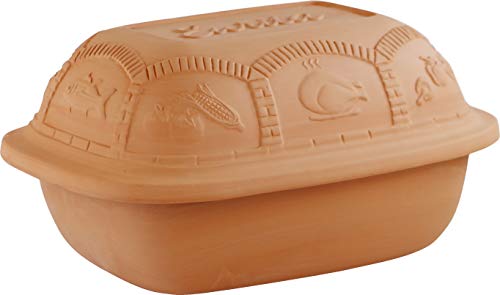
Features: Made from all natural clay material; no lead, cadmium, or fillers. Unglazed lid enables water evaporation to form a steam blanket; lid design allows some steam to escape for even cooking. Bottom glaze provides easy cleaning, microwave and oven safe up to 500°F. Suitable for stews, roasts, and casseroles with colorful, rustic presentation.
Portuguese Pottery Glazed Clay Pot With Lid

Features: Handcrafted in Barcelos, Portugal; porous terracotta promotes even heat and moisture distribution for tender meals. Terracotta cooking neutralizes acidity due to its alkaline nature, preserving vitamins and minerals. Heat retention is strong, keeping dishes warm and flavors vibrant. Great for stews, soups, braises, and table-side presentation.
Okllen Large Korean Ceramic Bowl With Lid

Features: 54-ounce capacity with double handles for easy handling; heat-resistant trivet and vented lid to prevent spills while keeping food hot. Made from premium clay fired at high temperatures for even heat distribution and durability. Suitable for bibimbap, ramen, casseroles, stews, and rice dishes with a sizzling finish.
Buying Guide
Key considerations when choosing clay pots for cooking include material quality, heat performance, and compatibility with your kitchen setup. The following perspectives help buyers compare options:
- Material and safety: Look for lead-free, cadmium-free clay; unglazed versus glazed designs affect moisture retention and cleaning. For ovens or microwaves, ensure the pot is rated for the temperatures you plan to use.
- Capacity and use case: Smaller 2-quart pots suit roasting and single dishes, while larger 4–7 quart cazuelas accommodate stews and family meals. Consider whether you need a lid, handles, or a serving-ready finish.
- Heat distribution: Porous clay promotes even moisture movement, which can enhance tenderness and flavor. Unglazed lids can help build steam, but glazed bottoms are easier to clean.
- Cleaning and maintenance: Some pieces are dishwasher safe, while others require hand washing. Glazed interiors simplify cleanup; unglazed exteriors preserve a rustic aesthetic but may need extra care.
- Durability and weight: Heavier pots offer sturdiness but require more effort to lift. Some models are marketed as lighter despite similar sizes, aiding maneuverability in busy kitchens.
- Maintenance routines: Soak or season unglazed lids as directed; avoid rapid temperature changes to prevent cracks. Store pots in a dry place to prevent moisture-related issues.
- Versatility: Consider whether you want a traditional terracotta piece for slow cooking or a modern ceramic bowl with a lid for individual servings and table presentation.
Across these options, buyers gain versatile cookware capable of enriching flavor profiles without relying on metal-based browning. Each product supports a different cooking style—from slow braises to quick soups—while emphasizing safety and ease of use.