Cutting boards that rest over the sink can dramatically free up counter space and streamline meal prep. This guide reviews five top models designed to maximize workspace, reduce mess, and keep knives sharp. Each option offers a built‑in draining feature or a collapsible basket to handle scraps, juices, and rinsing tasks without leaving the countertop cluttered. Read on to compare space-saving designs, materials, and storage conveniences to pick the best over‑the‑sink board for your kitchen.
| Product | Material | Key Benefit |
|---|---|---|
| Hifybaty Over The Sink Cutting Board | Bamboo | Extends to 33.6″, built‑in juice groove |
| Classic Cuisine Cutting Board with Strainer | Bamboo | 2‑in‑1 with removable stainless steel colander |
| Dexas Over The Sink Poly Cutting Board | Polyethylene | Collapsible 2.5 qt strainer for quick draining |
| NiHome Over The Sink Cutting Board | PP plastic & TPR rubber | Collapsible basket; anti‑slip design |
| FeCaninCare Kitchen Over The Sink Board | Bamboo | Extends to 33.9″; juice groove for mess containment |
Hifybaty Over The Sink Cutting Board

The Hifybaty over‑the‑sink board is designed to transform kitchen space by turning the area above the sink into an extension of the main countertop. Measuring 23.8 inches by 11.5 inches, it can extend to 33.6 inches, accommodating larger prep tasks. A built‑in juice groove helps contain liquids from meats and produce, keeping the workspace cleaner. The board includes a non‑slip surface to minimize movement during use, and its bamboo construction offers natural durability and knife‑friendliness. This model is suitable for busy cooks who need a broad, sturdy work area without sacrificing sink access.
Users benefit from the ability to brush debris directly into the drain or disposal, a feature that simplifies cleanup during chopping and prep. The bamboo build provides a balance of light weight and strength, making it a practical option for those who value both function and eco‑friendly materials. For households that frequently prep above the sink or commute with the board, the expandable length adds flexibility to accommodate larger tasks like family meals or batch cooking.
Classic Cuisine Cutting Board With Strainer

This 2‑in‑1 kitchen gadget combines a bamboo cutting board with a built‑in stainless steel strainer. It sits over the sink to provide extra prep space while allowing you to cut, rinse, and dry in a single station. The expandable framework can be adjusted up to about 24.74 inches to fit most standard sinks, adding valuable counter space for busy cooks who need quick, efficient workflow. Bamboo is gentle on knives and easier to maintain than some hardwood alternatives, while the stainless steel colander adds durability and rust resistance.
The dual functionality makes it ideal for washing produce or draining pasta directly over the sink, helping to minimize countertop mess. Its sturdy construction supports a range of chopping tasks and can be a practical addition to small kitchens or apartment layouts where every inch counts. The extended range means it can accommodate larger sinks, versatile enough for daily use or occasional meal prep bursts when hosting guests.
Dexas Over The Sink Poly Cutting Board
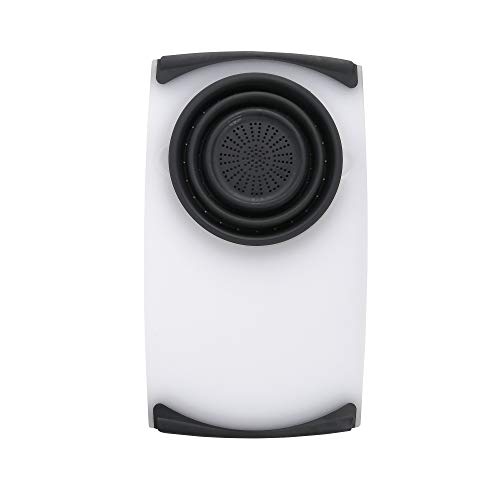
The Dexas over‑the‑sink board features a removable, collapsible 2.5‑quart strainer designed to simplify cleanup and optimize space. Made from durable polyethylene, this board resists warping and is gentle on knives. It’s a versatile option for chopping, rinsing, and draining fruits, vegetables, or small batches of meat. The included basket can function independently as a colander or work in tandem with the cutting board for compound tasks, giving cooks the flexibility to trim, rinse, and dry in one streamlined area.
The design supports an efficient kitchen routine, particularly for households that juggle multiple prep steps. The collapsible strainer helps store the unit more compactly when not in use, which is a practical advantage for kitchens with tight storage. The board’s material ensures durability while maintaining a reasonable price point, appealing to budget‑conscious shoppers who still require reliable performance above the sink.
NiHome Over The Sink Cutting Board

NiHome’s model integrates a collapsible, drainable basket with an anti‑slip cutting surface. The board measures 11 inches by 17.7 inches, with a 7.3 by 7.3 inch drainage basket. It uses a combination of high‑quality PP plastic and TPR rubber to balance durability, grip, and ease of cleaning. The collapsible basket stores neatly under the board and can be detached for use as a separate draining container, enabling you to rinse and drain in one unified system.
The anti‑slip feature helps maintain stability during slicing, miniprepping meats, vegetables, or fruits. This model suits households seeking a compact, reliable over‑the‑sink board that can accommodate smaller spaces while still offering the convenience of a draining basket. The PP/TPR construction emphasizes easy maintenance and long‑term use, making it a practical choice for everyday meal prep and small apartment setups.
FeCaninCare Bamboo Expandable Over The Sink Board

The FeCaninCare kitchen board emphasizes space expansion and a large working surface. It expands from 24″ x 13″ up to about 33.9″ to extend the sink area into a practical countertop extension. Like other bamboo options, it features a built‑in juice groove to capture liquids, helping keep the main prep area clean during busy cooking sessions. The non‑slip design adds stability, so the board remains in place while slicing or transferring chopped ingredients to the pan.
This model targets users who frequently prepare meals over the sink and need a robust, larger board that can adapt to varying sink sizes. The bamboo material combines a natural look with durability and knife‑friendly properties, making it a reliable centerpiece for a functional kitchen workspace. For cooks who regularly host or cook large meals, the expandability and juice groove can make cleanup faster and more efficient.
Buying Guide: Key Considerations For Over‑The‑Sink Boards
Material matters: Bamboo boards are knife-friendly and eco‑aware, while poly boards offer budget advantages and easy maintenance. Consider whether you prefer natural wood aesthetics or a tough, dishwasher‑friendly surface.
Size and expandability: Look for a board that fits your sink dimensions and provides enough extra space for typical tasks. Expandable models give you flexibility for bigger meals or gatherings.
Drainage and drainage baskets: A built‑in juice groove helps manage liquids. Detachable or collapsible baskets add versatility for washing produce or draining pasta without extra gadgets.
Stability and safety: Anti‑slip feet or a grippy underside prevent shifting during use, reducing the risk of accidents and knife slips.
Maintenance: Bamboo requires drying to prevent warping; poly boards are usually easier to sanitize. Check for dishwasher compatibility if that matters to you.
Storage: Consider whether you’ll store the board flat, vertically, or with the basket detached. Collapsible baskets can simplify storage in small kitchens.
Durability and care: Stainless steel components resist corrosion and rust; ensure any metal parts are securely attached and easy to clean. For bamboo, regular oiling can extend life and prevent cracking.
Additional Perspectives: How To Choose The Right Over The Sink Board
For small apartments, the most valuable feature is compact storage with a stable, space‑saving footprint. If you frequently wash produce or strain pasta, a model with a collapsible colander or built‑in basket may offer the most practical benefits. Households that prioritize a clean, butcher‑block aesthetic might prefer bamboo boards with integrated juice grooves, which minimize countertop mess while maintaining an appealing look. Those cooking for larger families or entertaining guests may appreciate extendable boards that reach across wider sinks, providing ample room for multiple prep tasks at once.
When evaluating options, consider how you typically use your sink area. If you often prep near water, a board with strong drainage features and a stable base will help maintain efficiency. If counter space is rarely an issue, you might opt for a simpler, non‑draining board that prioritizes durability and knife friendliness. Finally, assess cleaning routines and storage constraints to ensure the board fits smoothly into your kitchen workflow without adding clutter.