Discover compact, user-friendly espresso solutions designed for small spaces, travel, or office use. This guide highlights five top personal espresso makers that balance practicality with quality shots. Each product features a distinct approach—from traditional pump systems to portable, manual options—so you can pick a model that fits your routine, power access, and caffeine cadence. Read on for concise overviews, practical tips, and a buying guide to help you compare pressure, heating, and milk frothing capabilities.
Summary of chosen products
| Product | Brand | Key Strength | Type |
|---|---|---|---|
| XIXUBX 20Bar Espresso Machine | XIXUBX | 20-bar pressure, milk frother | Compact Electric |
| CASABREWS CM5418 Espresso Machine | CASABREWS | 20-bar pump, built-in gauge | Compact Electric |
| WACACO Minipresso GR | WACACO | Manual, portable, no electricity | Manual Portable |
| Citrigrain Portable Espresso Maker | Citrigrain | 3-in-1 compatibility, USB-C heating | Portable Electric |
| Zcyge Portable Coffee Maker | Zcyge | Long-lasting battery, 3-in-1 | Portable Electric |
XIXUBX 20Bar Espresso Machine

The XIXUBX model uses a robust 20-bar pump to deliver rich espresso with a lasting crema. It includes a visible pressure gauge and a milk frother for cappuccinos and lattes. The machine emphasizes a fast, stable heating system to maintain brew and steam temperatures, recommending cup pre-warming and a 60-second heat-up prior to the first brew. Its upgraded steam wand aims for denser microfoam and consistent output, with a detachable nozzle for easy cleaning. Regular purge and wand maintenance help prevent clogs and ensure longevity.
CASABREWS CM5418 Espresso Machine

The CASABREWS CM5418 combines professional 20-bar pressure with a 1350W boiler to deliver a well-balanced extraction. The built-in pressure gauge assists users in adjusting parameters for preferred taste, whether a bold espresso or milk-forward drinks. Its milk frothing system enables textured microfoam for latte art and cappuccinos. The stainless steel shell adds durability and a sleek kitchen presence, suitable for home or small-office use. This model targets users who value precise pressure feedback and reliable foam texture.
WACACO Minipresso GR

The WACACO Minipresso GR is a manually operated, portable espresso machine designed for travel and on-the-go coffee lovers. It requires no electricity and works with ground coffee to produce up to about 50 ml of espresso. This model emphasizes portability and simplicity, ideal for camping, commuting, or a compact office setup. Since it cannot heat water, users should prepare hot water separately. Its lightweight, compact design makes it easy to pack and use in tight spaces.
Citrigrain Portable Espresso Maker

The Citrigrain portable model focuses on rugged travel capability with a lightweight 1.1 lb design. It is compatible with ground coffee, NS capsules, and Dolce Gusto powder, offering flexible brewing for RVs, offices, or hiking trips. The device supports hot water delivery for quick brewing and can produce barista-quality drinks quickly, depending on the water and grind. It emphasizes convenience, spill-free use, and 3-in-1 versatility for diverse beverage preferences.
Zcyge Portable Coffee Maker
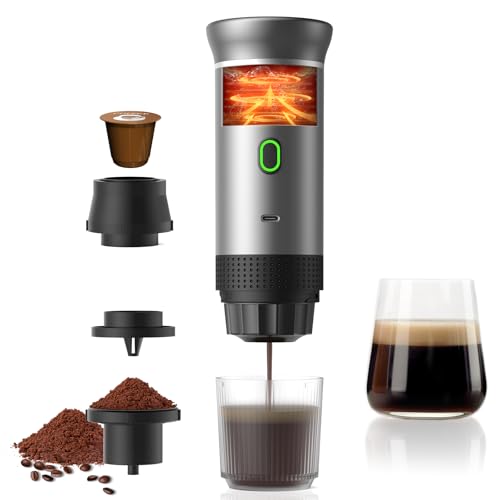
The Zcyge portable machine is a 3-in-1 espresso option that supports ground coffee, NS capsules, and pods from other brands. It features a long-lasting rechargeable 7500mAh battery, capable of multiple brews per charge. The device heats water in minutes and sustains 20-bar pressure for rich crema, making it suitable for travel, camping, or office coffee stations. Its compact build, support for car charging, and durable materials serve users seeking independence from fixed power sources.
Buying Guide
Key considerations help buyers select the best personal espresso maker for their situation. First, determine your brewing style: manual, semi-automatic, or fully electric with a steam wand. Second, assess pressure and heat timing. Models with 15-20 bars of pressure generally produce better crema, while a stable heating system ensures consistent temperatures for both extraction and steaming. Third, consider capacity and footprint. Large water tanks are convenient but heavier; compact devices save counter space, especially in small kitchens or offices. Fourth, evaluate milk frothing capability and wand design for easy cleaning and maintenance. Fifth, factor power availability: portable options may rely on batteries or USB-C, while traditional machines require a power outlet. Finally, review cleaning routines and durability, including warranty terms and the availability of replacement parts. Compare the flexibility of compatibility: 3-in-1 devices that support ground coffee and capsules offer versatility for varied preferences, while dedicated espresso makers may optimize performance with specific grinds and dosing. For travelers, weight, battery life, and a robust carry case are essential. For home or office use, consider a larger boiler capacity and an integrated gauge for pressure monitoring. When evaluating price-to-performance, prioritize build quality, steam wand reliability, and ease of cleaning over marginal gains in shot depth.
In summary, the five highlighted models address a spectrum of needs—from the enthusiast seeking barista-level crema to the traveler requiring portability and quick setup. By focusing on pressure consistency, heating efficiency, and milk frothing capability, you can select a personal espresso maker that consistently delivers satisfactory shots in your preferred environment.