Sulfur smells in well water—often described as rotten eggs—can be caused by hydrogen sulfide and other contaminants. The right water filter or sanitizer can reduce or eliminate odors, improve taste, and protect plumbing. Below is a curated selection of filters and sanitizers designed to target sulfur odors, iron buildup, and related impurities. Each option has been chosen for performance, ease of use, and suitability for home well systems in the United States.
| Product | Brand | Type | Main Benefit |
|---|---|---|---|
| Neutra Sul Professional Grade Oxidizer | Pro Products | Oxidizer | Eliminates sulfur odor via oxidation |
| Well Water Sanitizer | Zhizaiql | Sanitizer | Removes rotten egg smell and buildup |
| PRO+AQUA Heavy Duty Whole House Filter | PRO+AQUA | Whole-Home Filter | Filters odors, chemicals, heavy metals |
| iSpring WCFM500K | iSpring | Whole House | Removes iron, manganese, hydrogen sulfide |
| WELL SAFE Well Sanitizer Kit | WELL SAFE | Sanitizer Kit | Disinfection and odor control for wells |
Note: Each product list includes features as described by manufacturers. When selecting a filter, consider your water test results, the presence of sulfur compounds, iron levels, water usage, and plumbing configuration. Always follow installation and maintenance guidelines to achieve best results.
Pro Products Neutra Sul Professional Grade Oxidizer

Neutra Sul is designed to neutralize and control unpleasant sulfur odors in treated water through oxidation. The stabilized formula targets hydrogen sulfide and other odor-causing impurities, helping to restore fresher tasting water. It can be used as an alternative to hydrogen peroxide in certain systems, potentially reducing corrosion and scaling when dosed correctly. A chemical feed pump is typically used to inject Neutra Sul directly into the water line, with dosage varying by application. For best results, consult the owner’s manual and ensure proper system compatibility before use.
Zhizaiql Well Water Sanitizer
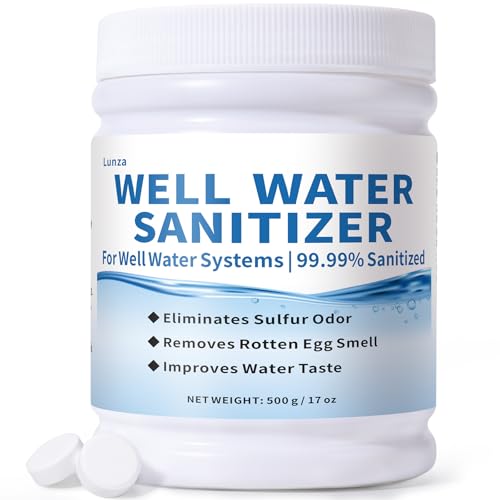
Zhizaiql’s Well Water Sanitizer is formulated to remove sulfur odors and rotten egg smells while reducing iron buildup. This long-term solution targets odor-causing buildup in well systems and pipes, contributing to a fresher water profile. The product’s food-grade formula aims to improve taste and smell without introducing harsh residues, making it a practical option for households dealing with persistent sulfur odors.
PRO+AQUA Heavy Duty Whole House Well Water Filter System

This heavy-duty system is designed for households with multiple bathrooms, delivering filtered water across the home. It targets a broad range of contaminants including odors, hydrogen sulfide, and heavy metals. The system features a programmable backlit digital display for auto-flush intervals and monitoring, simplifying maintenance. While it does not guarantee complete TDS reduction, it provides robust filtration for sulfur-related odor, minerals, and other impurities in a whole-house setup.
iSpring WCFM500K Whole House Water Filtration System

The WCFM500K is a comprehensive whole-house filtration solution designed to reduce iron, manganese, hydrogen sulfide, and turbidity. It uses 3-micron sediment filtration and a media regeneration approach that can extend service life up to 10 years with minimal maintenance. Notably, this system emphasizes chemical-free operation, relying on media regeneration rather than oxidizers, which may appeal to households seeking a simpler, more automated filtration experience while addressing sulfur-related odors.
WELL SAFE Well Sanitizer Kit
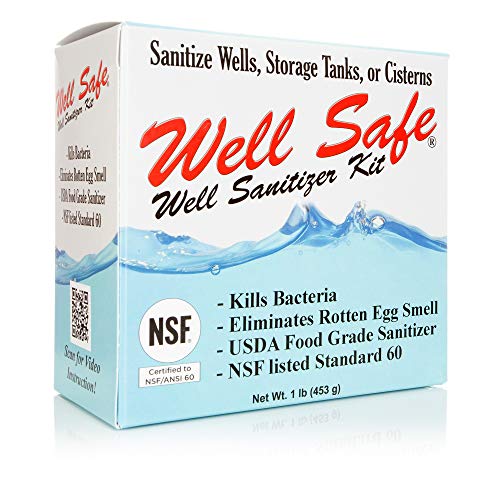
The WELL SAFE sanitizer kit focuses on disinfection and odor control for wells, offering an approachable DIY option. The kit is designed to eliminate bacteria and sulfur odors by sanitizing the well and associated plumbing. The included instructions guide users through a periodic treatment cycle to maintain water quality. This option is particularly suitable for households seeking a straightforward, non-permanent solution to recurring odor issues.
Buying Guide: Key Considerations for Choosing a Sulfur Odor Filter
When selecting a filter or sanitizer for sulfur odors, consider the following factors to ensure the most effective solution for your home:
- Water chemistry and contaminant profile: Test for hydrogen sulfide, iron, manganese, and total dissolved solids (TDS). Hydrogen sulfide is the primary source of sulfur odor; iron and sulfur compounds often co-occur and affect effectiveness.
- System type and size: Whole-house systems service all fixtures, while point-of-use solutions target a specific faucet or shower. For homes with multiple bathrooms or high water usage, a heavy-duty or whole-house arrangement is often more cost-effective long-term.
- Filtration vs. oxidation: Filtration (cartridges, media) removes particulates and some dissolved solids, while oxidation (oxidizers) chemically convert sulfides into insoluble forms. Some systems combine approaches for enhanced odor control.
- Maintenance and replacements: Evaluate cartridge life, backwashing capabilities, and ease of maintenance. Longer service intervals reduce upkeep but may have higher initial costs.
- Impact on taste and odor: Odor reduction does not always guarantee taste improvement. Look for products that note taste enhancement in addition to odor control.
- Chemical use and safety: If selecting oxidizers or sanitizers, review compatibility with plumbing materials and any required safety precautions during handling and dosing.
- Certifications and approvals: NSF/ANSI certifications (e.g., 42 for taste/odor and particulate reduction) can indicate performance claims are independently verified. European EC, CSA, and other certifications can also be helpful indicators.
- System compatibility: Ensure the chosen filter media, cartridge size, and fittings match your existing plumbing and water treatment setup. Some systems require professional installation or specific adapters.
- Cost of ownership: Consider initial purchase price, replacement cartridge costs, energy use, and maintenance labor. A slightly higher upfront cost can balance out with longer filter life.
To maximize effectiveness against sulfur odors, pair a well-tested oxidizer or sanitizer with an appropriate filtration stage. Regular water testing after installation helps confirm that odors have diminished and that the system operates within design specifications. Always follow manufacturer instructions for dosage rates and maintenance intervals to maintain water quality and system performance.