Choosing the right wax for kitchen cabinets helps protect surfaces, reduce grease buildup, and maintain a polished look. The following 5 products are among the most relevant for cabinets, countertops, and related wood surfaces. Each option offers a balance of cleaning, conditioning, and protective benefits suitable for American kitchens. Review features, materials, and application guidance to determine the best fit for your cabinets.
| Product | Brand | Notes |
|---|---|---|
| Jubilee Kitchen Wax (2-Pack) | Jubilee | Versatile cleaning, protecting, and shining for multiple surfaces |
| Parker & Bailey Kitchen Cabinet Cream | Parker & Bailey | Multisurface cleaner and polish for cabinets and wood |
| Goddard’s Cabinet & Wood Wax Spray | Goddard’s | Beeswax and lemon oil formula for quick maintenance |
| Furniture Clinic Wood Wax & Polish | Furniture Clinic | Naturally conditioned finish with orange oil and beeswax |
| Jolie Finishing Wax | Jolie | Odor-free topcoat for interior wood and cabinets |
Jubilee Kitchen Wax (2-Pack) For Cabinets

Jubilee Kitchen Wax offers a protective and glossy finish for various kitchen surfaces, including cabinets, countertops, and appliances. The formula is designed to clean while providing a polished look and surface protection. It’s described as versatile for furniture, refrigerators, laminate countertops, cabinets, bathroom fixtures, chrome, woodwork, vinyl, leather, plastic, and ceramic tile. Do note: the product guidance recommends not using it on granite or stainless steel. The wax claims to remove grease spots, fingerprints, and stains without scratching surfaces, delivering a durable, hard shine that eases future cleanup.
Parker & Bailey Kitchen Cabinet Cream
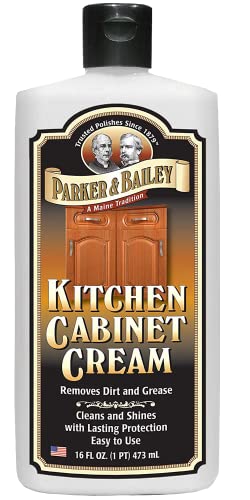
This Parker & Bailey cabinet cream is positioned as a kitchen cabinet cleaner and restorer that helps remove grease and food stains while rejuvenating wooden surfaces. It’s suitable for natural wood, faux wood, laminate, and painted wood. The product emphasizes a safe, easy-to-use formula that serves as a degreaser and build-up remover, delivering lasting protection and a refreshed appearance for cabinet doors and surfaces.
Malco Jubilee Kitchen Wax
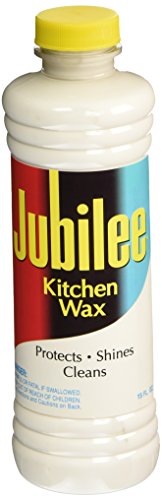
This Jubilee branded wax by Malco is presented as a 15 fl oz option, with packaging and dimensions listed for shipping and storage. The description focuses on packaging details and origin rather than usage instructions. It can be a complementary component in a cabinet-finish system, but buyers should verify surface compatibility and application directions prior to use on cabinet surfaces.
Jolie Finishing Wax
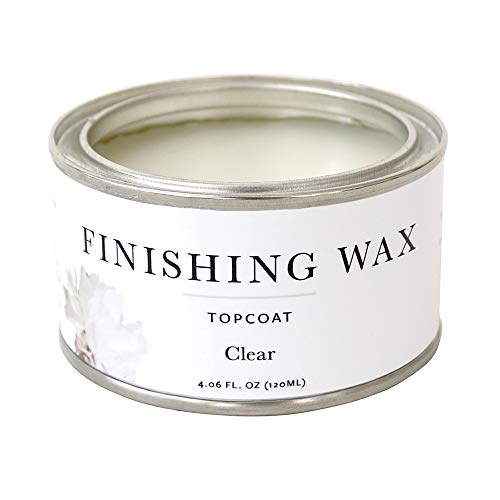
Jolie Finishing Wax is described as an odor-free, non-hazardous topcoat suitable for interior furniture, cabinets, walls, and decor. It emphasizes easy application, non-yellowing protection, and a long-lasting topcoat. The product is designed for 1–2 coats with drying time between coats, and it is available in multiple sizes. It can help seal and protect cabinet surfaces while maintaining a clear, natural look.
Parker & Bailey Kitchen Cabinet Cream (8oz)

This Parker & Bailey cabinet cream is promoted as a multi-surface cleaner and polisher designed to restore the natural beauty of cabinets and other wood surfaces. It positions itself as a degreaser and build-up remover, suitable for painted, laminate, white, and natural wood cabinet doors. The product emphasizes easy use and the potential for long-lasting protection and shine across various cabinet materials.
Goddard’s Cabinet & Wood Wax Spray

Goddard’s Cabinet & Wood Wax Spray combines beeswax and lemon oil for a wood-cleaning and polishing action. It’s designed to shine wood without altering stain color and to avoid oily residues. The spray aims to provide a quick cleaning and protective layer, helping guard against sun damage and cracking while preserving moisture in wood cabinets and furniture.
Furniture Clinic Wood Wax & Polish

Furniture Clinic Wood Wax & Polish is designed to nourish and protect all wooden furniture and kitchen cabinets. It features orange oil and beeswax in a cream-like formula that is easy to apply and rub into the wood. The product aims to prevent dryness, enhance grain depth, and offer a durable protective coating without silicone. It supports treated and untreated wood surfaces, making it versatile for various cabinet finishes.
Buying Guide: Key Considerations For Selecting Cabinet Wax
- Surface compatibility: Verify whether the wax is suitable for painted, natural, laminated, or stained wood cabinets. Some formulas are not recommended for granite, stainless steel, or high-heat surfaces.
- Ease of application: Look for waxes described as easy to apply with a cloth or brush, and consider drying and curing times to plan projects efficiently.
- Protection level: Assess whether the product provides cleaning, conditioning, and protective sealing against moisture, fingerprints, and minor scratches.
- Ingredients: Prefer natural formulas with beeswax, carnauba wax, and essential oils for a classic cabinet finish. Avoid silicones if you want a natural feel or if you are sensitive to odors.
- Finish appearance: Decide between a subtle satin sheen or a higher gloss, depending on your kitchen style and cabinet material.
- Maintenance needs: Some products are multi-surface degreasers and polishes, while others are dedicated cabinet creams—choose based on your cleaning routine.
- Brand reliability and warranty: Consider brands with positive long-term performance, clear usage instructions, and accessible customer support.
- Volume and coverage: Check the can or bottle size and estimated coverage per coat to estimate project scope and frequency of reapplication.
- Allergen and safety considerations: If you have sensitivities, review odor, VOC content, and whether the product is fragrance-free or hypoallergenic.
When selecting a wax for kitchen cabinets, balance cleaning performance with protection and finish. For routine maintenance, a spray or liquid wax offering quick wipe-down plus shine can be effective. For deeper restoration, a cabinet cream or polish that nourishes wood and restores luster may deliver longer-lasting results. Always follow the manufacturer’s application instructions and test on a small, inconspicuous area before broad use.