Finding the best kitchen blender involves balancing power, capacity, and versatility. The following selections cover popular high‑performance models, from prosumer systems to compact workhorses. Each entry highlights blending power, pitcher capacity, and added features to help you choose the right fit for smoothies, sauces, soups, and frozen drinks. This guide emphasizes reliability, ease of use, and value for everyday American kitchens.
| Product | Key Benefit | Pitcher/Capacity | Power |
|---|---|---|---|
| Ninja Kitchen System BL770 | All‑in‑one blending and processing with to‑go cups | 72 oz blender pitcher, 8‑cup processor bowl | 1500 watts |
| Ninja Professional Blender BL610 | Professional power for large batches | 72 oz pitcher | 1000 watts |
| Vitamix 5200 Blender | Professional‑grade performance, durable container | 64 oz | 2 HP motor |
| Ninja BN801 Professional Plus Kitchen System | Auto‑IQ presets with extra processing modes | 72 oz blender pitcher, 64 oz processor bowl | 1400 watts |
| BLACK+DECKER PowerCrush | Value‑oriented with versatile speeds | 6‑cup glass jar | Approx. unspecified, strong performance |
Ninja Kitchen System BL770

The Ninja BL770 combines a powerful 1500‑watt motor with Total Crushing technology, enabling ice, frozen fruit, and tough ingredients to blend quickly. Its XL 72‑oz pitcher is suitable for large batches, while the included 8‑cup food processor bowl broadens versatility for chopping, dough, and purees. With two 16‑oz to‑go cups, it supports on‑the‑go smoothies. This model is ideal for households that want a single appliance to perform both blender and food processing tasks, reducing countertop clutter while maintaining performance.
Ninja Professional Blender BL610
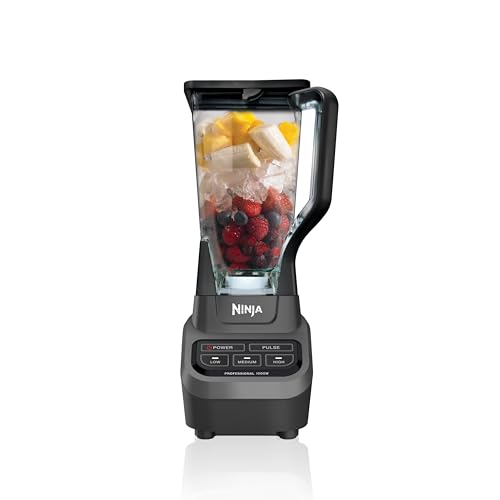
With a 1000‑watt motor and a 72 oz pitcher, the BL610 handles everyday smoothie making and larger batches with ease. Its Total Crushing Technology blades pulverize ice and frozen fruit in seconds, delivering consistent textures. The model is well suited for families or batch meal prep, offering reliable performance without needing a higher‑end budget. It pairs straightforward operation with robust blending for soups, sauces, and drinks.
Vitamix 5200 Blender
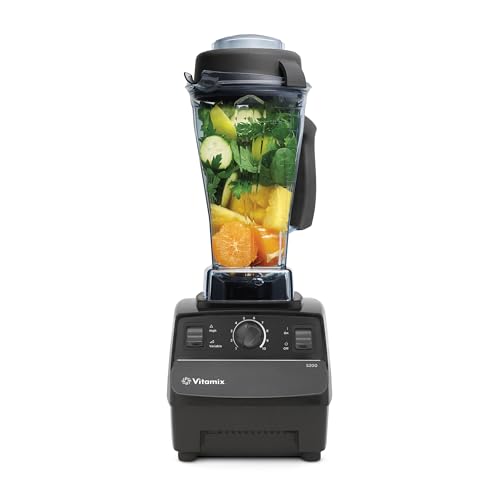
The Vitamix 5200 is a professional‑grade blender with a 64‑ounce container and a high‑torque 2 HP motor. Its stainless‑steel blades deliver consistent blends for smoothies, soups, ice cream, and nut butters. Self‑cleaning capability adds convenience after busy meal preparation. This model prioritizes long‑term durability and performance, making it a staple in serious home kitchens and aspiring chef setups.
Ninja BN801 Professional Plus Kitchen System

The BN801 pairs a 1400‑watt motor with Auto‑IQ automation, offering enhanced blending modes and a redesigned base for quicker, hands‑free results. The system includes an 72‑oz blender pitcher and a 64‑oz processor bowl, enabling smoothies, dough, chopping, and more. Its program presets help users achieve consistent results with less manual timing, while still supporting manual control for personalized blends.
BLACK+DECKER PowerCrush
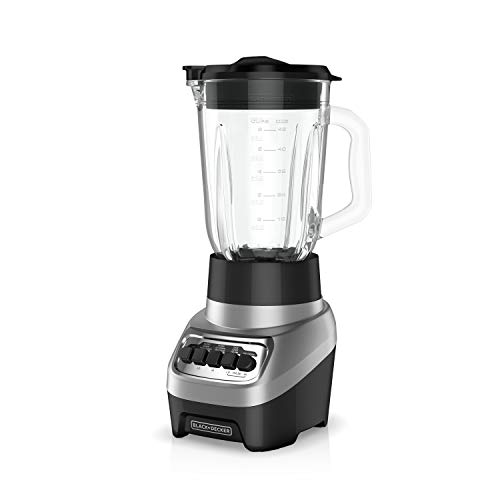
The PowerCrush offers four speeds and a 6‑cup glass jar, delivering solid performance for everyday blending tasks. Its quad blade design aims to pull ingredients through the blades efficiently, supporting quick smoothies, sauces, and iced beverages. This model provides practical value for users who want reliable results without many advanced features.
Buying Guide: Key Purchase Considerations
- Power and performance: Look for motor wattage or horsepower, blade design, and features like Total Crushing or Auto‑IQ to ensure consistent results with ice, frozen fruit, and fibrous produce.
- Capacity and versatility: Choose pitcher sizes that fit your family size and recipe needs. If you want food processing tasks, consider models with processor bowls or multi‑function options.
- Durability and materials: Stainless steel blades and BPA‑free, shatter‑resistant jars are indicators of long‑term reliability and safer food handling.
- Ease of cleaning: Self‑cleaning features, dishwasher‑safe parts, and straightforward assembly reduce after‑use effort.
- Programs vs. manual control: Auto‑IQ or preset programs simplify blending, while manual speed control offers customization for delicate sauces or nut butters.
- Maintenance and parts availability: Check for replacement parts and compatibility with accessories (to‑go cups, extra bowls, to‑go lids) to maximize your investment.
- Budget considerations: Entry‑level models prioritize essential blending tasks, while high‑end systems emphasize precision, durability, and automation for frequent users.