Choosing the right cold shipping box is essential for preserving the quality and safety of perishable items during transit. This guide highlights five highly relevant insulated shipping boxes, covering durability, insulation performance, and eco-friendly design. Each product section includes a quick snapshot of key features to help compare options at a glance.
| Product | Key Benefit |
|---|---|
| EPE Insulated Cold Shipping Box (Medium) | Durable PP construction with multi-hour cooling and recyclability |
| IDL Packaging 14x14x14 Box | EcoMax liners offer up to 72 hours of cold with paper-based insulation |
| Polar Tech XM15C Thermo Chill | Foam insert plus insulated box for stable temperatures |
| Robin II EPS Foam Ice Chest | Rigid outer shell with cold shipping capability and biodegradability |
| EPE 17 ³⁄₁₆” Box | Slim, reusable design with recyclable components |
The following sections present each option in detail, followed by a practical buying guide to help you select the best cold box for your shipping needs.
Insulated Cold Shipping Box With Foam Cooler (Medium) — EPE

The EPE medium insulated shipping box combines durable polypropylene construction with advanced insulation for 24-, 48-, and 72-hour shipments. Its design emphasizes recyclability and reusability, promoting sustainable packaging practices. The box is suitable for pharmaceuticals, frozen foods, and other perishables, and is compatible with dry ice to extend cooling when needed.
Key features include a robust, washable build intended for multiple uses and 100% recyclable components. This makes it a practical choice for businesses aiming to reduce waste while maintaining product temperature integrity during transit.
IDL Packaging 14″ x 14″ x 14″ Insulated Shipping Box
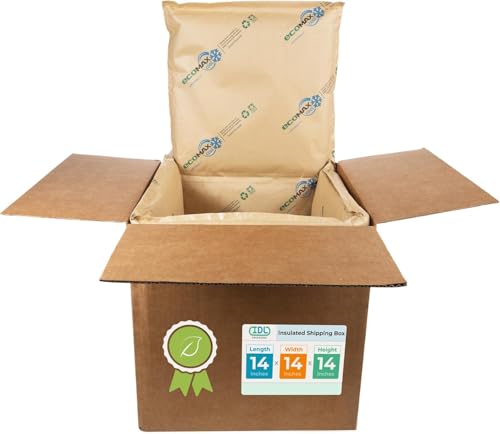
This USA-made box features EcoMax thermal-paper liners designed to keep contents cold for up to 72 hours when used with ice packs. The outer dimensions are 14 by 14 by 14 inches, with a 5.8-gallon internal capacity. The liner’s 1.5-inch thickness and kraft paper shell provide effective moisture and microbial protection, making it ideal for frozen foods and seafood.
The liner system reduces condensation and spoilage risk, offering a paper-based alternative to plastic insulators. The combination supports longer cold-chain integrity while addressing environmental concerns about packaging waste.
Polar Tech XM15C Thermo Chill Carton

The Polar Tech XM15C Thermo Chill is a complete insulated shipping kit featuring a preassembled box with a lidded foam insert. This design ensures consistent temperature control for foods, beverages, and pharmaceuticals. The foam insert securely holds items within the box to prevent movement and temperature fluctuations during transit.
Designed to maintain stable temperatures, this kit helps protect products from heat and cold exposure. It’s a practical choice for shipments requiring a reliable, ready-to-use solution without assembling multiple components.
Robin II EPS Foam Ice Chest — 1 Pack

Robin II offers a heavy-duty EPS foam ice chest with a corrugated exterior and ample internal space. The outside dimensions are designed to accommodate large loads, while inside dimensions ensure a snug fit for temperature-sensitive shipments. This option emphasizes cold shipping capability with a balance of rigidity and insulation.
Suitable for cold packing in a variety of contexts, the Robin II box supports controlled shipping environments where a robust, recyclable option is advantageous for preserving product quality across longer journeys.
EPE Insulated Cold Shipping Box With Foam Cooler (Small)

The small version from EPE mirrors the medium design but in a compact footprint. Built with durable polypropylene, it provides reliable insulation for 24-, 48-, and 72-hour shipments. Like the medium variant, it is washable and reusable with 100% recyclable components. This box is well-suited for smaller perishable items or shipments with tighter space constraints.
Its reusable construction helps minimize packaging waste while ensuring cold-chain integrity for sensitive goods, aligning with sustainability goals without sacrificing performance during transit.
Buying Guide: Key Considerations For Cold Shipping Boxes
Choosing the right cold shipping box involves weighing insulation level, durability, size, and sustainability against your shipping needs. The following considerations cover multiple perspectives to help you decide what matters most in practice.
- Insulation depth and duration: Look for liner thickness and material type, such as kraft paper, foam inserts, or aluminum liners. If you ship long distances or fragile perishables, prioritize boxes rated for up to 72 hours with appropriate coolant compatibility.
- Temperature stability: Consider whether the box is designed to maintain cold temperatures only, or both hot and cold in dual-temperature scenarios. Some kits include pre-lining foams or liners that enhance stability.
- Durability and reuse: Reusable boxes reduce waste and often improve cost-per-use over time. Check for washable design, durable outer shells, and overall construction quality.
- Size and capacity: Match the internal dimensions to the product dimensions you ship. A box with extra space may require more coolant but can handle varied items; too-tight a fit could increase temperature fluctuations.
- Moisture and condensation control: Effective liners and moisture barriers prevent dampness that can damage goods and packaging. Paper-based liners tend to reduce microbial growth risk versus some plastic insulators.
- Eco-friendliness and recyclability: For sustainability goals, prioritize boxes with recyclable materials and reusable features. Check whether all components are recyclable across common waste streams.
- Compatibility with cooling agents: If you plan to use dry ice or gel packs, ensure the box design accommodates the coolant type without compromising safety or structural integrity.
- Regulatory considerations: For pharmaceuticals or regulated foods, verify that the packaging aligns with relevant guidelines and preserves product integrity through the intended transit time.
In practice, selecting a box often involves balancing cost, environmental impact, and required cold-chain performance. For short shipments or smaller products, a compact, reusable option may suffice. For longer journeys or high-value perishables, a robust kit with high insulation and a reliable liner system can reduce risk and spoilage.