Finding an adaptive cutting board that accommodates one-handed use can significantly improve independence in the kitchen. The following selection focuses on stability, grip, and ease of cleaning, all essential for users with limited hand strength or mobility. Each option highlights features like spikes to secure food, bread stops to prevent spills, and non-slip bases to minimize risk. Use this guide to compare boards designed for stroke victims, amputees, seniors, and others who need one-handed kitchen support.
Selected products overview
| Product | Key Features | Brand |
|---|---|---|
| SENDAR Adaptive One Handed Cutting Board | 10 spikes, raised rear fence, non-slip feet | SENDAR |
| WHXE MNHEE Adaptive One Handed Cutting Board | Bamboo, bread stops, spikes, one hand grater | WHXE MNHEE |
| PulPalet Adaptive One-Handed Cutting Board | One-handed use, bread stops, vegetable peeler, chopper | PulPalet |
| LukieBoee Adaptive One Handed Cutting Board | 10 spikes, juice groove, dual bread holder | LukieBoee |
| Etac Fix Preparation Board | Stainless spikes, adjustable jaws, suction feet | Etac |
SENDAR Adaptive One Handed Cutting Board

The SENDAR board combines a stable acacia hardwood surface with non-slip silicone feet to prevent movement during cutting. It features 10 food-grade stainless steel spikes that securely hold foods in place for one-handed operations, making slicing and peeling safer and more precise. A raised rear fence helps prevent spills, allowing easy scooping with a single hand. This design targets users who need a reliable base for adaptive kitchen tasks and aims to reduce the effort required for daily meal prep.
WHXE MNHEE Adaptive One Handed Cutting Board

The WHXE MNHEE board integrates bamboo construction with non-slip pads for stability and spikes to secure food during one-handed use. Included accessories such as a hand peeler, bread stops, and a one-handed grater extend its versatility, supporting peeling, slicing, and grating tasks. The design emphasizes ease of cleaning and maintenance, making it suitable for individuals with limited hand function who still want a full range of kitchen tasks within reach.
PulPalet Adaptive One-Handed Cutting Board

PulPalet’s board is designed for one-handed use with an anti-slip surface and spikes that securely hold food for safe cutting. It includes a one-handed vegetable peeler, bread stops, and a vegetable chopper with six blades, making cleanup straightforward. The combination of stability and multifunction attachments supports independence in meal preparation for seniors, stroke survivors, and amputees while simplifying maintenance and storage.
LukieBoee Adaptive One Handed Cutting Board

This upgraded model offers 10 stainless steel spikes for secure food fixation and a dual bread holder to stabilize loaves during one-handed slicing. A juice groove helps prevent countertop messes, while the practical design supports cleaner transitions between chopping and serving. The board’s adaptive features focus on reducing spill risk and increasing precision for one-handed cooks, appealing to stroke survivors and elderly users seeking dependable prep tools.
Etac Fix Preparation Board
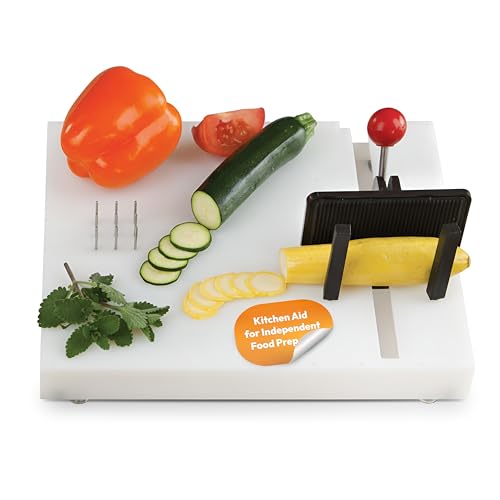
Etac’s Fix Preparation Board emphasizes one-handed usability with built-in stainless steel spikes and adjustable jaws to grip bowls, graters, or food during prep. A stable cutting surface is reinforced by strong suction feet, ensuring the board remains fixed to the counter during use. This model suits users who require precise grip and secure positioning for slicing, grating, and peeling tasks performed with one hand.
Buying Guide: Key Considerations For One-Handed Cutting Boards
- Stability and grip: Look for non-slip feet, suction cups, and a sturdy base. A secure platform minimizes slips and enhances safety during one-handed use.
- Food fixation system: Spikes or clamps that hold produce in place reduce the need for a second hand and improve cutting accuracy. Check spike material and hygiene features for easy cleaning.
- Spill prevention: Raised fences or grooves help contain juices and scraps, making one-handed maneuvering safer and cleaner.
- Accessibility and size: Consider board height, width, and spike distribution to fit your typical cutting tasks. Larger fixation areas support bigger produce and meal prep versatility.
- Additional tools: Bread stops, graters, peelers, and choppers integrated into the board can add value, especially for users who rely on a single hand for multiple steps in a workflow.
- Maintenance: Materials like bamboo, acacia wood, or polypropylene influence cleaning needs and durability. Look for components that resist staining and are easy to sanitize.
- Care and longevity: Check warranty, corrosion resistance of spikes, and the ability to replace individual parts if needed to extend the board’s lifespan.
- Intended user profile: Boards vary in suitability for stroke survivors, amputees, elderly users, and those with limited hand strength. Match features to the user’s typical tasks and mobility level.
- Cleaning practicality: Consider whether the included accessories are dishwasher-safe or require hand washing, to fit daily routines and care preferences.
- Affordability and value: Compare boards with similar features to determine which provides the best balance of stability, functionality, and maintenance at your budget.
Choosing the right one-handed cutting board involves balancing grip, stability, and convenience. Boards with multi-functional attachments may reduce clutter by consolidating prep tools, while simpler designs can excel in durability and ease of cleaning. When evaluating options, consider typical meals you prepare, the size of produce you handle most often, and how much cleanup time you’re willing to commit after a cooking session.