Finding a dedicated dough maker for roti and other flatbreads can streamline kitchen prep, especially when you want consistent kneading and fermentation. The following selections cover compact to large-capacity machines, fermentation features, and user-friendly controls to help you bake roti, bread, pizza, and dumplings with ease. This guide compares capacity, fermentation options, and ease of use across several popular models.
| Product | Brand | Capacity | Key Feature |
|---|---|---|---|
| Joydeem Electric Dough Maker with Ferment Function | JOYDEEM | 5 Qt | Fermentation with stable temperature; versatile dough options |
| Joydeem Electric Dough Maker with Ferment Function (7.4 Qt) | JOYDEEM | 7.4 Qt | Large capacity; microcomputer timing and vertical design |
| Joydeem Electric Dough Maker with Dual Seasonal Fermentation | JOYDEEM | 3.7 Qt | Dual fermentation modes; seasonal temperature control |
| Kitchin In The Box Stand Mixer | Kitchen in the box | 3.2 Qt | Compact, lightweight with multiple colors; tilt-head |
| Bear 3.7-Quart Electric Dough Maker | Bear | 3.7 Qt | Stainless steel, low noise, 3D blade for thorough kneading |
Joydeem 5Qt Dough Maker With Ferment

Joydeem’s 5Qt dough maker combines kneading action with a built-in fermentation heater, helping to produce doughs suited for bread, pizza, roti, dumplings, and sourdough. Its 200W motor operates in intervals to mimic hand kneading, while the fermentation range remains stable at 77–100℉. The machine handles flour from 300g to 1600g and supports a typical flour-to-water ratio of 100:50/60. This model emphasizes efficient dough development with controlled fermentation, ideal for roti-centric recipes that benefit from even hydration and texture development.
Joydeem 7.4 Qt Electric Dough Maker

This larger Joydeem model uses a vertical design with a microcomputer timer to automate kneading, fermentation, and dough handling for big batches. The 7.4 Qt capacity accommodates family-sized doughs needed for roti rounds, pizzas, and buns. It features a 250W motor, a low-noise profile, and a slug of built-in programs to deliver consistent dough textures with minimal hands-on time. It’s well-suited for households that regularly bake roti with batch dough and want a capable, quiet appliance.
Joydeem 3.7 Qt Dual Seasonal Fermentation

Designed for roti and other doughs, this 3.7 Qt Joydeem model offers two fermentation modes (Summer and Winter) and a 150W motor that provides interval kneading. The outlined flour range and recommended ratios help home bakers tailor dough texture specifically for roti and flatbreads, while fermentation stability helps achieve consistent rise and elasticity in various climates.
Bear 3.7-Quart Electric Dough Maker

Bear’s compact 3.7 Qt dough maker focuses on straightforward operation with a 120W motor and a three-dimensional stainless steel mixing blade. It includes mixing and fermentation phases with adjustable times, and a stable base with suction feet to reduce movement and noise. This model is a practical option for roti-focused homes seeking reliable kneading and controlled fermentation in a small footprint.
Hamilton Beach Classic Stand And Hand Mixer
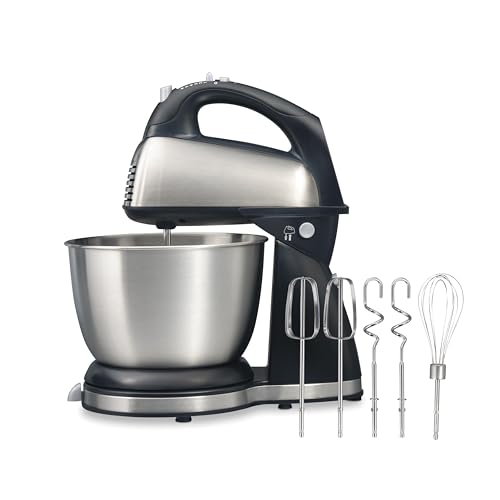
While not a dedicated roti dough maker, this Hamilton Beach model combines a stand mixer and a hand mixer in one space-saving unit. The stand mixer includes a 4-quart stainless bowl with multiple attachments (dough hooks, beaters, whisk) and a 290-watt motor. It is useful for kneading and preparing dense doughs in roti recipes, offering flexible setups for smaller kitchens seeking a versatile solution without a separate appliance clutter.
Victoria Cast Iron Tortilla Press

This traditional tortilla press helps shape roti-like flatbreads manually, offering a complementary tool to a dough maker. Cast iron construction ensures uniform pressure and durability, with seasoned flaxseed oil for natural non-stick surfaces. It’s not a mixer, but it supports consistent roti sizing and can pair well with a dough kneading routine to deliver flatbread-ready dough portions.
Buying Guide: Key Purchase Considerations For Roti Dough Making
When evaluating a dough maker for roti, consider capacity needs, fermentation features, kneading performance, footprint, and ease of cleaning. Here are some core factors to guide your choice:
- Capacity vs. batch size: For roti, you’ll typically knead smaller portions; models from 3–5 Qt suit households that bake roti and flatbreads weekly, while larger models handle bulk dough for pizzas and bread.
- Fermentation control: A stable fermentation function helps roti dough develop elasticity and flavor. Look for adjustable temperatures and timed fermentation to accommodate seasonal climates.
- Kneading action and speed controls: A range of speeds and interval kneading better emulate hand kneading, yielding smoother dough for roti dough and batters. Ensure the machine provides sufficient power for dough textures without overworking them.
- Ease of cleaning and materials: Stainless steel bowls and dishwasher-safe attachments simplify maintenance. Tilt-head designs grant easy bowl access during setup and cleaning.
- Multi-function flexibility: Some devices combine kneading with mixing and even filling processes. If you frequently bake a variety of dough-based foods, a versatile model can reduce countertop clutter.
- Noise and stability: Look for low-noise operation and suction feet or weighted bodies to minimize movement during kneading, which helps in maintaining consistent results for roti.