For households aiming to reduce waste and extend the life of produce, green plastic storage bags offer a simple, reusable solution. This guide highlights top options designed to preserve freshness, prevent moisture loss, and simplify kitchen organization. Each pick is evaluated for portability, reusability, and compatibility with everyday fridge and pantry use, helping American shoppers pick bags that fit their produce routines and budget.
| Product | Brand | Approx. Pack | Key Benefit |
|---|---|---|---|
| Debbie Meyer GreenBags 32-Pack | Debbie Meyer | 32 bags | Keeps fruits and vegetables fresh longer with reusable, moisture-locking design |
| Debbie Meyer GreenBags 40-Pack | Debbie Meyer | 40 bags | Long-term reusable storage for produce and leftovers |
| YoojungLab Green Food Storage Bags | YoojungLab | 100 bags | Lab-tested, BPA-free, extended produce life |
| Narrow Profile Produce Bags Roll Green | ASSUREPAK | 1 roll (475 bags) | Slim profile for grocery and small business use |
| YoojungLab Prime Produce Bags | YoojungLab | 100 bags | Food-grade, BPA-free with mineral-enhanced storage environment |
Debbie Meyer GreenBags 32-Pack (16M, 8L, 8XL)
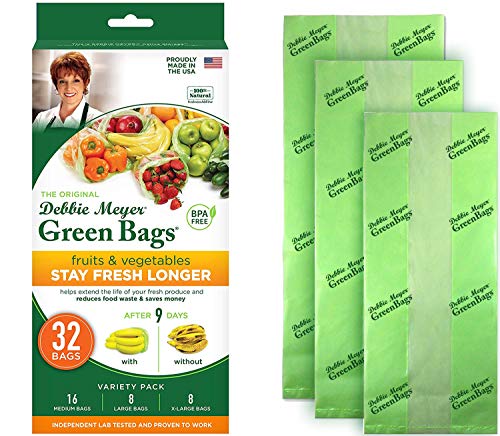
These reusable storage bags are designed to preserve freshness for fruits, vegetables, and leftovers. The set includes multiple sizes to fit a range of produce, from small berries to larger veggies. Bags are reusable and can be rinsed and air-dried, ready for up to ten uses per bag. They help reduce waste by locking in moisture and flavor while keeping different foods separate for organized storage.
Debbie Meyer GreenBags 40-Pack (16M, 16L, 8XL)
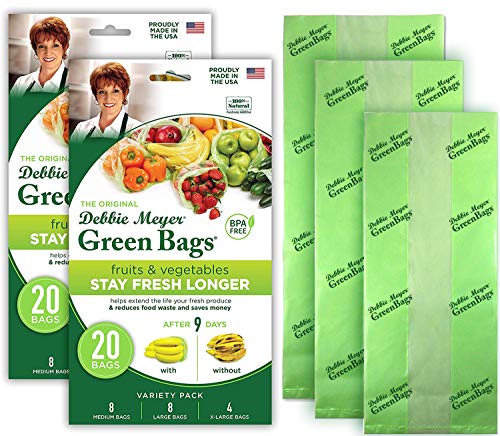
This larger set expands on freshness preservation with more sizes to accommodate a variety of produce and kitchen items. The reusable design emphasizes long-term use, with simple rinsing and air drying to maintain bags for repeated cycles. Organization is enhanced by dedicated bags for different categories, improving fridge and pantry flow while reducing waste.
YoojungLab Green, 14.17″ x 18.11″ Bags

YoojungLab’s larger green bags are marketed to extend the life of fresh produce and cut flowers. They are described as BPA-free and part of a food-fresh system, with independent lab testing backing claims of improved longevity. The bags are designed for repeated use and easy cleaning, which supports a low-waste kitchen approach.
Narrow Profile Produce Bags Roll Green

This roll provides a compact, narrow-profile solution for grocery use or small businesses. Each roll contains a high quantity of bags, sized to standard produce needs, with HDPE material that is recyclable. The 8-micron thickness offers a balance between durability and lightness, suitable for everyday produce transit and storage needs.
YoojungLab Green, Reusable Food Storage Bag, 16.44″ x 20.6″

These larger bags emphasize extended produce life with a reusable design and BPA-free materials. They are described as lab-tested and suitable for a wide range of fruits, vegetables, and even fresh cut flowers. The packaging highlights reusability up to ten uses per bag and emphasizes a sustainable storage environment.
ideamake Reusable Produce Bags Set
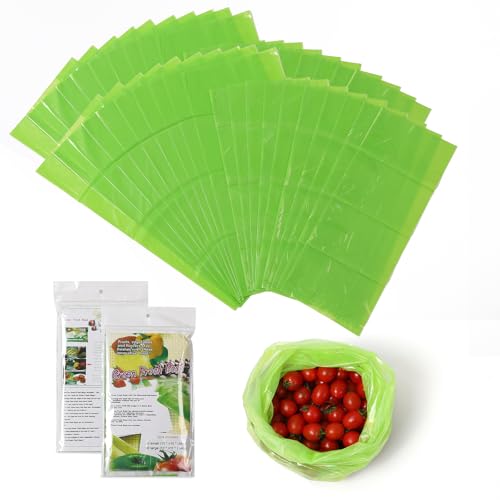
Ideamake’s green produce bags cover a broad range of sizes and are marketed for daily vegetable and fruit storage. The set emphasizes breathability and extended shelf life, claiming reductions in vitamin loss and compatibility with many produce types—from leafy greens to berries. They focus on BPA-free construction and versatility for flowers and herbs as well.
Buying Guide: Key Considerations for Green Produce Bags
When selecting green plastic bags for vegetables, consider the following factors to maximize freshness, value, and sustainability:
- Material and Safety: Look for BPA-free, food-grade materials. HDPE and other food-safe plastics are common; verify any mineral-infused or proprietary freshness systems if claimed.
- Bag Size and Variety: A mix of small, medium, and large bags is ideal for different produce. Some sets include multiple sizes across several packs to cover berries, greens, roots, and cut flowers.
- Reusability and Longevity: Check stated reuse cycles (often up to 10 uses per bag). Consider ease of cleaning, drying time, and whether bags are dishwasher-safe or require hand washing.
- Seal and Freshness: Effective moisture retention and breathability influence produce longevity. Some bags claim tight seals; others use breathable materials to reduce moisture buildup.
- Storage Fit: Assess compatibility with fridge shelves, crisper drawers, pantry shelves, and countertop organization. Some bags are designed for quick access in busy kitchens.
- Environmental Impact: Recyclability, roll formats, and durable construction affect overall sustainability. Reusable bags reduce single-use plastic waste when used regularly.
- Use Case Versatility: If you store flowers or herbs, ensure seals and bag design protect delicate stems without crushing.
- Cost Per Use: Compare packs to determine the long-term value. Higher upfront cost may be offset by more uses per bag and broader size coverage.
Across brands, features such as lab-tested performance claims, mineral-enhanced environments, and multi-size packs can influence freshness outcomes. For households prioritizing sustainability, prioritize BPA-free materials and durability. For small businesses or frequent grocery shoppers, a single roll with many bags can be a practical, cost-effective choice.