For players seeking compact, portable, and feature-rich guitar amp heads, lunchbox-sized models deliver big tone in a small package. This guide highlights five top options that balance reliability, flexibility, and tonal versatility. Whether you’re dialing in a tight metal crunch, a vocal-friendly clean, or pedal-friendly drive, these lunchbox heads are designed to travel with you—from practice rooms to small clubs. Each entry includes a quick overview, notable features, and how it fits into common playing scenarios.
| Product | Brand | Key Features |
|---|---|---|
| Victory Deputy 25-watt | Victory Amplification | 1-channel tube, FX loop, 3-voicing switch, Bright |
| Victory Sheriff 25-watt | Victory Amplification | 2-channel tube, FX loop, Bass Focus, 3-band EQ |
| JOYO Zombie-II BanTamp XL 20W | JOYO | 2-channel, independent controls, Bluetooth, compact power |
| Orange Dark Terror 15W | Orange | High-gain preamp, 4-stage, all-valve FX loop |
| Orange Dual Terror 30/15/7W | Orange | Four EL84s, flexible power options, compact build |
Victory Deputy 25-Watt Lunchbox Head
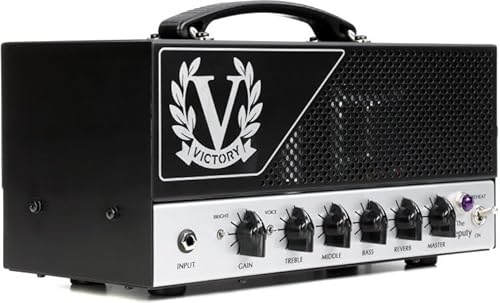
The Deputy is a compact, one-channel tube amp head designed for players who value simplicity with modern tweaks. It includes an FX loop for effects, a 3-position voicing switch to tailor midrange and drive characteristics, and a Bright switch that enhances top-end clarity. This model suits players seeking a direct, punchy stage tone without complexity—great for rehearsals and small venues where space is at a premium. Its tube-driven response offers responsive dynamics, particularly when paired with overdrive pedals for a wider palette of textures.
Victory Sheriff 25-Watt Lunchbox Head

The Sheriff expands on the Deputy’s concept with two channels for versatile tonal work, an integrated FX loop, and a Bass Focus control paired with a 3-band EQ. This combination enables a wider range of sounds from tight cleans to modern highs with constructed thump in the lows. The dedicated channel architecture makes it practical for players who need a quick tonal switch during performances or studio sessions, all housed in a compact lunchbox package that travels well.
JOYO Zombie-II BanTamp XL 20W Mini Amp Head
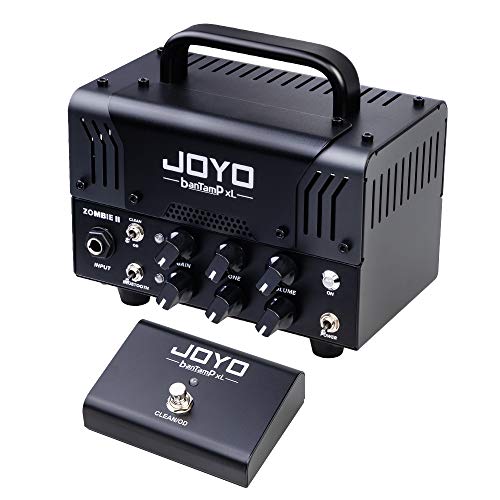
The Zombie-II is a versatile mini head that blends a clean channel with a high-gain option via two independent channels. A dedicated footswitch enables channel switching, while the six-knob control set provides comprehensive shaping of volume, gain, and tone for each channel. Its 20W output yields a surprisingly full performance feel, making it a practical choice for practice rooms, home studios, or small gigs. Bluetooth streaming adds modern convenience, and the build emphasizes portability without sacrificing tonal flexibility.
Orange Dark Terror 15W Head

The Dark Terror packs a punch with a four-stage preamp and all-valve FX loop, prioritizing high-gain tones in a compact 15-watt format. It’s designed for players who crave heavy, saturated tones with strong sustain, yet still want a straightforward control layout. The all-valve loop adds warmth and dynamics to effects, while its portable form makes it suitable for practice spaces, studio work, or club environments where space is at a premium but tone remains a priority.
Orange Dual Terror 30/15/7W Head

The Dual Terror is a direct descendant of the Tiny Terror lineage, offering four EL84 tubes and flexible power-supply options that let you choose between 30, 15, or 7 watts. This adaptability makes it a strong option for players who need different stage volumes or headphone-friendly practice at home. A classic Orange voicing with tight lows and aggressive mids, it pairs well with a broad range of pedals for modern or vintage rig setups, all in a compact, road-ready chassis.
Buying Guide
Key considerations when choosing a lunchbox amp head include power needs, channel configuration, and effects routing. For players who rely on pedals, an FX loop can preserve pedal tone and dynamics, making the loop a priority. If you perform in varied settings, two-channel designs or voicing switches help cover multiple genres quickly without carrying extra gear. For home studios or quiet practice, a compact head with robust headroom and a responsive feel is essential; models with studio-friendly features like Bluetooth or USB interfaces add convenience.
Power and headroom: 15–25 watts is common for small venues and practice spaces; 20W or 25W models often strike a balance between playing room dynamics and stage presence. Channel clarity and voicing options influence how well a head adapts to different guitars (single-coil vs. humbucker) and pedals. Transformer-coupled FX loops typically offer better dynamics than hard-bypass loops, affecting how effects sense your guitar’s signal.
Built-in features: Bright switches, EQ controls, and dedicated bass or mid controls expand tonal shaping without relying solely on pedals. Portability and durability are essential for gigging musicians; metal chassis, recessed handles, and secure latches reduce transport wear. Finally, consider compatibility with external cabinets and speaker systems to ensure expansion as your rig evolves.
Sound targets and genre coverage vary. A one-channel model with a versatile voicing profile is ideal for players who favor simplicity and consistency. A two-channel design is best for those who switch between cleans and high-gain tones during performances. Pedal-heavy players may prioritize an effective FX loop and a robust clean channel to act as a pedal platform. Each product listed offers a distinct approach to the lunchbox format, enabling a wide range of tonal ambitions in a compact footprint.