The following guide highlights five top meat tenderizer machines designed to improve texture, enhance marinades, and reduce cooking times. From manual handheld models to high-powered electric units, these picks cover home cooks, hobbyists, and professional kitchens alike. Each product section includes a quick look at what makes it stand out, plus practical tips for choosing the right tool for your needs.
| Product | Brand | Key Benefit |
|---|---|---|
| Meat Tenderizer With 48 Blades | LZONSTK | Deep blade penetration for faster marination and tenderness |
| Cofun Manual Tenderizer | Cofun | Robust gear design for smooth, even tenderizing |
| Weston Meat Tenderizer Tool | Weston | Large-blade design for quick, uniform results |
| VEVOR 750W Electric Tenderizer | VEVOR | High-power, high-volume, consistent tenderization |
| YBSVO 40-Blade Manual Tenderizer | YBSVO | Heavy-duty hand-crank with wide feed for big cuts |
Meat Tenderizer With 48 Stainless Steel Blades
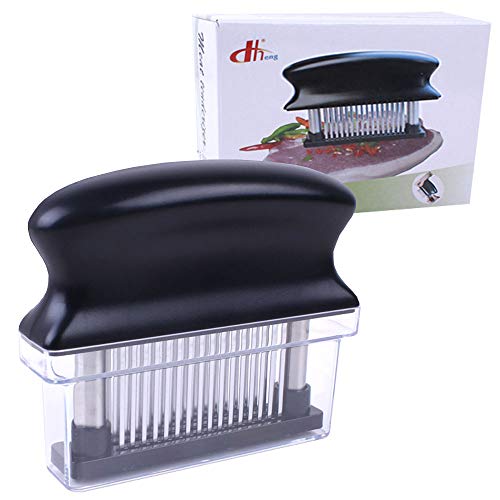
The LZONSTK meat tenderizer uses 48 stainless steel blades to penetrate meat from each angle. The tool creates tiny channels that help marinades soak in more deeply while preserving the meat’s shape. This design can shorten cooking times by up to about 40% and is compatible with beef, turkey, chicken, steak, veal, pork, and fish. Blades are sharpened on both sides for longevity, and the ABS-grip handles are ergonomically designed to reduce fatigue during longer prep sessions. This option prioritizes durability and even blade engagement for consistent results across large batches.
Features include corrosion-resistant stainless steel blades and a robust construction intended for regular kitchen use. The tool is easy to clean after marinades, though it is best hand-washed to preserve blade integrity. With its emphasis on deep penetration and marinade uptake, this tenderizer helps home cooks achieve juicier, more flavorful meals. It’s ideal for weekend roasts, marinated steaks, or weeknight chicken dinners where time and texture matter.
Consider this model if you want a straightforward, heavy-duty manual tenderizer with lots of blades for fast processing. It is not a substitute for quality cooking technique, but it complements marinades and seasoning by enabling deeper flavor absorption. For large families or meal-prep kitchens, the 48-blade configuration can significantly reduce prep time while improving tenderness.
Cofun Manual Meat Tenderizer Tool

The Cofun manual tenderizer emphasizes durability with a robust metal gear design. It’s engineered to deliver deep, even tenderizing for steaks, venison, and other firmer cuts, helping juices and flavors penetrate more fully. The device is straightforward to assemble and disassemble for cleaning, though it is noted as not dishwasher safe. The tool is particularly suited for users who want reliable results without complex electronics or motorized operation. Its sturdy construction supports consistent performance across repeated uses.
Use cases include preparing tougher cuts ahead of grilling or roasting, where even texture matters. It’s compatible with most standard meat types that benefit from deeper penetration, but not ideal for very soft fish or delicate poultry. The Cofun tenderizer stands out for its simple, durable approach and reliable blade action that yields juicy bites with better marination results over time.
When selecting this model, consider whether you prefer a traditional manual approach with solid mechanical leverage. It suits kitchens that prioritize straightforward maintenance and long-term durability over features like adjustable settings or motor-assisted speed.
Weston Meat Tenderizer Tool & Heavy Duty Cuber

The Weston tenderizer combines an aluminum body with stainless steel blades to deliver quick, uniform tenderization. The 31 large blades are designed to work through tougher cuts while maintaining surface integrity, allowing spices and rubs to penetrate more deeply. The tool’s rugged shell resists corrosion, making it suitable for regular kitchen use. Its design supports the creation of cubed steaks when run in multiple directions, giving you flexibility for different recipes. Large meat pieces up to about 4.5 inches wide can be accommodated in the feed, making it convenient for thicker steaks and roasts.
Ideal for preparing budget-friendly cuts or game meat, this model trades some advanced features for dependable, repeatable results. It’s well-suited to cooks who want a balance of practical performance and straightforward maintenance. Cleaning is straightforward, and the device holds up well under frequent use, providing reliable tenderness without complicated setup.
Consider this option if you want a proven manual tenderizer with a broad blade array and a sturdy build. It’s less complex than electric units but delivers consistent results, especially for larger, tougher cuts that benefit from deeper penetration.
VEVOR 750W Electric Meat Tenderizer

The VEVOR 750W electric tenderizer offers a high-power motor designed for rapid, uniform tenderization. With a high output, it can process larger quantities, reducing labor and marination times. The blade assembly consists of 67 stainless steel blades, arranged to deliver even penetration and minimize clogging. The machine supports a broad range of meat types, including beef, turkey, chicken, pork, and fish, making it a versatile option for busy kitchens. A practical feature is the quick-start capability, which allows users to begin tenderizing with minimal setup.
Key considerations include the weight and footprint of the unit, as well as cleaning requirements for the blade assembly. The 67-blade layout is designed to maximize texture improvement while preserving natural meat structure. This model suits professional kitchens or serious home chefs who frequently prepare large meals or bulk marinating sessions. It balances power, efficiency, and durability with user-friendly operation.
Choose this electric option if you prioritize speed and consistency across many cuts. It’s particularly valuable for meal-prep environments where time savings and reliable results are essential, provided you have the space and cleaning setup to support an electric tenderizer.
VEVOR 304 Stainless Steel Manual Tenderizer

This VEVOR model offers a manual approach with a 31-blade configuration and a detachable structure for cleaning. The blade assembly is designed to be easily removed for sanitization, reducing the risk of cross-contamination in busy kitchens. The material construction emphasizes corrosion resistance and robustness, suitable for repeated use without significant wear. It’s positioned as a convenient option for those who want reliable tenderization without motorized components, while still achieving excellent marinade absorption and texture enhancement.
Notable strengths include straightforward operation and a hygienic design that enables easy maintenance. The adjustable, simple mechanism helps cooks adapt tenderness to various cuts such as beef, pork, or lamb. It’s best suited for cooks who value hands-on control and simple upkeep over high-tech features.
Meat Tenderizer Attachment for KitchenAid Stand Mixer

The RAFBAR attachment turns a KitchenAid stand mixer into a dedicated meat tenderizing station. It offers three thickness settings, enabling versatile tenderness control. The attachment is designed to work with KitchenAid and certain other mixers, broadening its compatibility to support medium-thickness cuts up to about 1 inch. The three-level precision setting helps achieve consistent results for a range of recipes, from schnitzel to marinated roasts. It is dishwasher safe, which can simplify post-use cleanup if your mixer models align with the product’s compatibility notes.
Pros include speed and consistency with the added convenience of integration into an existing mixer. This option is best for home chefs who already own a compatible stand mixer and want to expand its capabilities. It’s less suitable for large batches of texture-focused work compared to dedicated electric tenderizers, but the integration advantage can be compelling for versatile kitchen setups.
YBSVO Commercial Meat Tenderizer Machine

The YBSVO heavy-duty manual tenderizer packs a 40-blade stainless steel rotary system designed for butchers and serious cooks. Its extra-wide 7-inch feed chute accommodates larger cuts, making it practical for processing venison, brisket, and other sizeable portions. The hand-crank mechanism enables efficient tenderization, breaking down connective tissue to create hundreds of microscopic channels that improve marinade absorption and reduce cooking time. The design emphasizes durability and speed for high-volume prep tasks.
Consider this model if you routinely handle large or tough cuts and want a robust manual option with a broad feed. It’s well-suited for hunters, markets, or kitchens where efficiency and texture uniformity are priorities. Cleaning involves removing the blade assembly and following the manufacturer’s guidelines to maintain performance over time.
Buying Guide: Key Considerations For Choosing A Meat Tenderizer Machine
- Type and power: Manual tenderizers (hand-crank or roller) are affordable and simple, ideal for smaller households or occasional use. Electric models offer higher throughput and deeper penetration but require power and more maintenance.
- Blade design and count: More blades generally mean faster tenderization and deeper penetration, but blade spacing and quality matter just as much as quantity. Stainless steel blades resist rust and ensure long-term performance.
- Cut compatibility: Some models excel with thick steaks and roasts; others are better for thinner slices or delicate fish. If you often prepare large cuts, prioritize models with wide feed chutes and robust blade assemblies.
- Ease of cleaning: Detachable blade assemblies and dishwasher-safe parts simplify upkeep. Manual devices typically require hand washing; electric models demand extra care around electrical components.
- Durability and warranty: Heavy-duty stainless steel builds last longer under frequent use. Check for warranties or service options, particularly for commercial or high-volume kitchens.
- Safety and ergonomics: Look for ergonomic handles, secure locking mechanisms, and blade guards. Proper handling reduces the risk of injury during use and cleaning.
- Space and noise considerations: Electric tenderizers are larger and louder; ensure you have adequate counter space and ventilation. Manual options take up less room and are quieter.
- Maintenance needs: Some units require occasional lubrication and blade alignment checks. Consider the availability of replacement blades and parts when budgeting for ongoing use.
In sum, the right meat tenderizer machine depends on your volume, preferred workflow, and whether you favor manual control or motor-assisted speed. For busy kitchens that process many cuts weekly, a high-blade-count electric unit offers efficiency and consistent results. For casual home cooks, a sturdy manual tenderizer provides reliable performance with minimal upkeep. Attachments for existing equipment (like a KitchenAid stand mixer) can extend capabilities without purchasing a separate machine, though may limit throughput compared to standalone units.