Consumers seeking reliable, heat-retaining bags for hot meals will find a range of insulated options designed for delivery, catering, and personal use. This guide highlights five top picks with strong insulation, durable construction, and practical features. Each product stabilizes temperatures, protects contents from leaks, and supports on-the-go meals from takeout to picnics. Read on for a concise overview, a quick buying guide, and practical considerations to help you choose the right bag for hot-food needs.
| Product | Brand | Key Size / Use |
|---|---|---|
| Superio Hot and Cold Insulated Bags (16″x5.5″x19″) | Superio | Large capacity for hot or frozen foods |
| Superio Hot and Cold Insulated Bags (12″x13.5″) | Superio | Medium lunch/picnic bag |
| Restaurantware Plastic Food Delivery Bags | Restaurantware | Hot meals with clear window & handles |
| PINSUKO Insulated Bag | Hot Cold Bag | Lightweight, holds up to 30 lbs |
| PEASUG Insulated Bags (XL, two-pack) | PEASUG | Large-capacity delivery for multiple orders |
Superio Hot and Cold Insulated Bags (16″x5.5″x19″)

These reusable insulated bags handle both hot and frozen foods, making them versatile for delivery drivers, caterers, and shoppers. The triple-layer design features a sturdy aluminum outer layer, an inner waterproof EPE layer, and a final non-toxic PE film layer. The dual-purpose design keeps temperatures stable for hours and resists moisture buildup. Built to last, the bags are designed for professional use yet suitable for everyday errands, picnics, and travel. Materials are food-safe to support safe handling of meals.
Superio Hot and Cold Insulated Bags (1, 12″x13.5″)

This smaller, reinforced insulated bag is designed for compact hot-food transport and personal meals. It uses the same triple-layer insulation as its larger counterpart, helping maintain warmth in cars, offices, or delivery routes. The size makes it ideal for lunches, small orders, or busy days when compact storage and portability matter. Professional-grade expectations are matched with durable materials that resist wear over time.
Restaurantware Plastic Food Delivery Bags

Designed for hot-food transport with a clear window, built-in handles, and a zipper, these bags offer convenient reuse for hot meals. They feature a grease- and leak-resistant exterior to minimize spills, while small venting holes promote steam release for safety and quality. The combination of durable plastic and practical closure makes them suitable for rotisserie items, takeout, and catering scenarios that require quick, secure carrying.
PINSUKO Insulated Bag
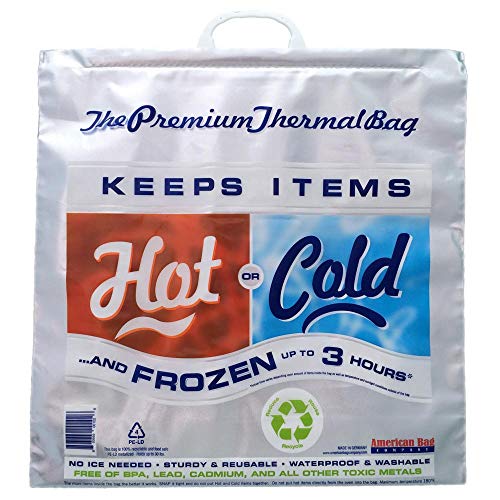
Known as a lightweight, weatherproof bag, it keeps items hot or cold for hours and is both recyclable and food-safe. The bag uses non-toxic water-based ink for any printing and emphasizes a simple, durable design with sturdy handles. It accommodates up to 30 pounds, making it a practical choice for frequent deliveries or larger home-cooked meals on the go.
PEASUG Insulated Bags (XL, 2 Pack)

These two XL delivery bags offer large-capacity insulation for multiple orders, picnics, or catering events. Made from thick non-woven fabric, they provide reliable structure, dual zippers, and sturdy handles. The insulation helps maintain temperatures for several hours, enabling efficient batch deliveries and stable meal temperatures during transport. They’re positioned as a practical option for both professional use and large family outings.
Buying Guide: Key Purchase Considerations
- Insulation and temperature retention: Look for multi-layer designs (such as aluminum outer layers with waterproof inner linings) to minimize heat transfer and moisture.
- Capacity and portability: Choose bag sizes that fit your typical orders yet remain easy to carry. Consider bags that come in multiple sizes for different scenarios.
- Durability and materials: Prioritize food-safe, non-toxic materials and reinforced seams or handles for regular use in delivery or catering.
- Leak resistance and cleanliness: Bags with moisture barriers prevent leaks and simplify cleaning between uses. Reusability is a plus for sustainability.
- Ease of transport: Built-in handles, zippers, and resealable closures improve on-the-go convenience. Clear windows can aid quick visual checks for contents.
- Environmental impact: Some bags are designed to be recyclable or made from thicker, reusable materials—consider end-of-life options and reuse potential.
- Temperature expectations: Real-world insulation varies with ambient temperature, bag size, and load. Plan for a reasonable 2–4 hour window for hot or cold foods in typical urban deliveries.
- Maintenance: Check if bags are easy to wipe clean or machine washable, and whether liners are removable for thorough cleaning.
- Compliance and safety: Ensure materials are food-safe and comply with local health and safety standards when handling hot foods.
- Cost-per-use: Compare initial cost against durability and expected lifespan to gauge overall value for frequent users.