Choosing the right sauerkraut fermentation container can affect texture, flavor, and the probiotic quality of your batch. This guide reviews five reliable options designed for home fermentation, highlighting capacity, materials, and features like air-locks and inner pressing plates. Use these selections to help you store, press, and ferment cabbage, kimchi, and other vegetables with confidence.
Summary of selected products:
- e-jen Premium Kimchi, Sauerkraut Container Probiotic Fermentation with Inner Vacuum Lid (Earthenware Brown, 0.45 gal/1.7L)
- e-jen Premium Kimchi, Sauerkraut Container Probiotic Fermentation with Inner Vacuum Lid Round (3.1 gal/12L)
- Kenley Fermentation Crock 1/2 Gallon – with Lid, Weights & Pounder
- LIYYOO Fermentation Crock 2 Liter / 0.5 Gallon – Water Seal Lid
- TOMO Fermentation Crock With Weights – 7L Stoneware
e-jen 0.45 Gal Earthenware Fermentation Container
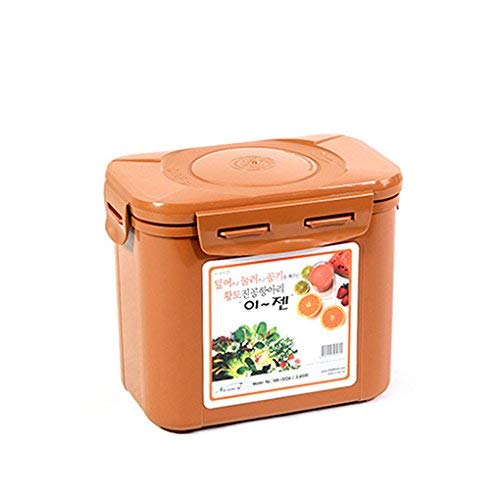
Designed for simple, probiotic fermentation, this earthenware jar holds about 0.45 gallons. It’s food safe and dishwasher safe, with the inner vacuum lid aimed at reducing exposure to air during fermentation. Its light weight and easy operation make it suitable for kimchi, sauerkraut, and other fermented vegetables, while doubling as storage for dry goods when not in use.
Key features: easy to use, food safe, dishwasher/freezer/microwave safe, light and portable, suitable for kimchi and sauerkraut, versatile for dry goods storage.
e-jen 3.1 Gal Round Fermentation Vessel

This larger e-jen fermentation container blends traditional earthenware principles with modern components. The 3.1-gallon capacity is ideal for bigger batches of kimchi and sauerkraut. A key feature is the adjustable inner pressing plate that minimizes air, fostering an anaerobic environment that supports probiotic lactobacillus growth while enabling efficient brine management.
Key features: easy to use, storage and fermentation in one unit, anaerobic optimization, durable polypropylene components, robust design for larger ferments.
Kenley Fermentation Crock 1/2 Gallon

The Kenley crock is a practical choice for small-batch sauerkraut, kimchi, and pickles. It’s crafted from high-grade ceramic with a food-safe coating to minimize oxidation and stabilize temperature. The standout feature is the water-seal lid, which allows gas to escape while limiting air intrusion—helping preserve flavor and texture in a controlled environment.
Key features: small-batch capacity, water-seal lid, lead-free ceramic and coating, easy cleaning, reliable for consistent results in home fermentation.
LIYYOO 2 Liter Fermentation Crock with Water Seal

LIYYOO combines a 2-liter capacity with a water-sealed lid to facilitate consistent fermentation, keeping vegetables submerged and preventing oxidation. The glaze is designed to be lead-free and cadmium-free, providing a safe surface for sauerkraut and kimchi. Weights and a wooden pounder are included to help compact vegetables and maintain even brining.
Key features: water seal for gas management, lead-free glaze, included weights and pounder, easy to clean, durable stoneware construction.
TOMO 7L Fermentation Crock With Weights

TOMO’s 7-liter stoneware fermenter is designed for serious at-home fermenting. The kit includes weights and a wooden tamper, supporting thorough submersion and even pressure across large batches. Its durable ceramic walls provide reliable temperature stability and resistance to odors, making it a strong option for sauerkraut, kimchi, and pickles on a larger scale.
Key features: restaurant-grade stoneware, included weights and tamping tool, wide internal space, water-seal style design to reduce air exposure, durable and easy to clean.
Buying Guide: Key Considerations For Fermentation Containers
- Capacity and batch size: For sauerkraut and kimchi, consider whether you want small, medium, or large batches. Smaller jars offer quick turnovers; larger crocks suit weekly or monthly projects.
- Material and safety: Ceramic and stoneware are common for fermentation due to their inert surfaces; ensure glazes are lead-free and cadmium-free. Earthenware may require more careful temperature control.
- Air management: Look for air-tight or air-sealed designs, inner pressing plates, or water-seal lids to promote anaerobic fermentation and reduce oxidation.
- Ease of cleaning and maintenance: Dishwasher-safe components can simplify cleaning; consider whether parts are easy to dry and store.
- Accessories: Weights, pounders, and tamper tools help ensure consistent brining and compacting of vegetables, reducing the need for frequent brine adjustments.
- Durability and longevity: Stoneware and thick glass offer lasting performance; check for chemical-free coatings and solid construction for daily use.
- Versatility: Some containers accommodate a range of vegetables beyond sauerkraut, including kimchi and pickles, adding flexibility for different recipes.
- Compatibility with kitchen workflow: A unit with a wide opening for easy access can simplify packing and cleaning, especially in small kitchens.
Consider your space, budget, and desired batch size when choosing among these options. For beginners, smaller jars with easy sealing can reduce trial-and-error time. For seasoned fermenters, larger crocks with water seals and included weights provide reliable, scalable solutions.