Finding the right tawa for chapati can elevate everyday Indian cooking. This guide highlights five top options that balance traditional flatbread texture with modern durability, whether you’re cooking on gas or induction. Read on to compare materials, heat distribution, and nonstick performance to choose the best roti pan for your kitchen.
Summary of chosen products:
| Product | Brand | Key Strength | Surface Type |
|---|---|---|---|
| MIRACLE Traditional Roti Tawa 12 Inch | MIRACLE | Authentic cast iron seasoning, durable, naturally nonstick | Cast iron |
| Tramontina Utsava 10.5-Inch Tri-Ply Clad | Tramontina | Even heating, ceramic nonstick, concave design | Tri-ply stainless steel with ceramic |
| PANCA Iron Tawa | PANCA | Naturally nonstick with seasoning, robust wood handle | Iron |
| Sahishnu Hard Anodized Tawa | Sahishnu Online & Marketing | Hard anodized, durable, scratch-resistant | Hard anodized aluminum |
| DBY Nonstick Roti Pan | DBY | 2-layer nonstick, even heat, gas stove compatible | Aluminum with nonstick |
MIRACLE Traditional Roti Tawa 12 Inch
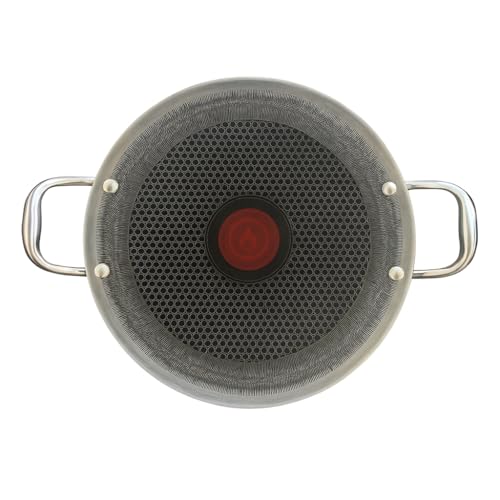
The MIRACLE roti tawa is a 12-inch cast iron pan designed to produce authentic chapati, roti, parathas, dosa, and other flatbreads with traditional texture. The pan’s natural seasoning improves with each use, creating a durable, nonstick surface over time without synthetic coatings. The flat, high-heat surface supports uniform browning and helps reduce the amount of added oil while cooking. The pan is compatible with gas and induction, making it a versatile choice for varied stovetops.
Key features include an authentic cast iron design that emphasizes long-term durability and a sustainable cooking approach. The surface develops a nonstick patina through seasoning, which enhances with continued use. Expect robust heat retention for even cooking, with a focus on achieving soft rotis and crisp edges. While heavier than some alternatives, the MIRACLE tawa rewards patience with consistent round breads and deep flavor.
Tramontina Utsava 10.5-Inch Tri-Ply Clad Concave Tawa

This concave roti tawa by Tramontina is designed to concentrate heat toward the center, which helps in puffing rotis and chapatis with a traditional texture. The smooth ceramic nonstick coating allows easy food release and quick cleanup, supporting healthier cooking with minimal oil. The tri-ply clad construction combines stainless steel exterior with an aluminum core, delivering fast, even heat distribution across the surface. The concave shape makes rolling and cooking flatter breads efficient and consistent.
Its key strengths lie in even heating, a user-friendly nonstick surface, and a design that honors traditional roti-making techniques. The ceramic coating offers a smoother release and easier maintenance, while the concave profile supports uniform cooking of round breads. This pan is well-suited for households seeking reliable performance on modern stovetops without sacrificing classic chapati texture.
PANCA Iron Tawa For Roti

The PANCA iron tawa offers a robust, toxin-free option with a wooden handle for comfortable control. This 10.5-inch tawa develops a natural nonstick surface through seasoning, enabling cooking with minimal oil. The wooden handle provides a secure grip and cooler handling, while the cast iron base ensures even heat distribution and long-term durability. Proper care to prevent rust (drying after washing and oiling) helps extend the life of the tawa.
Ideal for traditional chapatis, rotis, and parathas, the PANCA tawa emphasizes durability and user-friendly maintenance. The seasoning process creates a gradually improving nonstick layer, making it a practical, long-term choice for everyday Indian cooking. It’s best suited for cooks who enjoy the ritual of building a seasoned surface over time while achieving classic flatbreads.
Sahishnu Hard Anodized Roti Tawa

The Sahishnu hard anodized aluminum tawa is a durable, scratch-resistant option designed for consistent roti, chapati, and paratha production. The hard anodized surface distributes heat evenly and resists wear, supporting long-term performance. With dimensions around 16.5 inches by 9.8 inches and a relatively shallow height, this tawa provides ample cooking area for multiple flatbreads at once. It’s designed to withstand daily use and deliver reliable results each session.
Hard anodized cookware is typically favored for its longevity and abrasion resistance. This tawa suits households looking for a sturdy pan that can stand up to frequent use without synthetic coatings. While not a nonstick by default, proper seasoning and routine care can help you achieve smoother breads with reduced sticking over time.
Yuktha Iron Tawa For Roti

The Yuktha iron tawa emphasizes a toxin-free, long-lasting cast iron build with a wooden handle for a secure grip. The tawa’s naturally seasoned surface improves with use, enhancing food release and reducing the need for excessive oil. As with other cast iron options, proper care—drying after washing and oiling the surface—helps prevent rust and extends life. This pan is a solid, traditional choice for rotis and chapatis, especially for cooks who value a robust cooking surface that improves over time.
Sahishnu Hard Anodized Aluminium Tawa

This Sahishnu hard anodized aluminum tawa variant emphasizes a durable, scratch-resistant surface with similar benefits to other hard anodized options. It is well-suited for making soft, fluffy rotis and chapatis while providing robust performance across multiple flatbreads. The listed dimensions indicate a generous cooking area, useful for preparing several flatbreads at once. As with other hard anodized pans, it benefits from careful care to maintain an even coating and longevity.
DBY Nonstick Roti Pan 275mm provides a lightweight, nonstick option for quick, easy release of rotis and parathas. Its 2.6mm thick aluminum body and spiral bottom support even heating on gas stoves, while the nonstick coating reduces the need for oil. This pan is a practical choice for everyday cooking, offering convenient cleanup and reliable performance for roti, chapati, and dosa-style breads.
Buying Guide: Key Purchase Considerations
Material matters. Cast iron offers exceptional heat retention and builds a natural nonstick patina with seasoning but requires careful maintenance to prevent rust. Hard anodized aluminum provides durability and even heating with lower maintenance, though it may not develop the same seasoned nonstick as cast iron. Stainless steel tri-ply constructions deliver efficient heat distribution, especially on induction, with the convenience of a nonstick coating in some designs.
Shape and depth influence results. Concave designs help breads puff and cook evenly by guiding heat toward the center, while flat tawas are versatile for dosa, pancakes, and thin crepes. Consider whether you prefer a slightly curved surface for traditional rotis or a flat surface for multitasking in a busy kitchen.
Nonstick options reduce sticking and oil use, but durability varies. Ceramic nonstick coatings provide easy release and simple cleanup, while seasoned iron surfaces develop nonstick properties over time. If you cook frequently with oil, a naturally seasoned pan may be ideal; for beginners, a reliable nonstick pan can be more forgiving.
Handle design and ergonomics affect usability. Wooden handles look traditional and stay cooler during cooking but may require more care to prevent cracking. Bakelite or heat-resistant handles stay cool and are easy to clean, making them practical for busy households or beginner cooks.
Care and maintenance. Cast iron requires drying immediately after washing and periodic oiling to prevent rust. Hard anodized and ceramic-coated pans generally tolerate more routine washing but should be treated per product guidelines to sustain coatings. Induction compatibility also matters for mixed-stovetop kitchens.
Size considerations. Most roti and chapati pans range from about 10 to 12 inches in diameter. Smaller pans are excellent for single breads, while larger surfaces enable batch cooking. Match pan size to your typical batch size and kitchen storage capacity.
Durability and budget. Cast iron pans offer exceptional longevity with simple care but can be heavier and require more maintenance. Nonstick options provide ease of use and cleanup, though long-term coating durability can vary. For frequent roti making, investing in a high-quality pan with a robust surface and stable handle is typically worthwhile.
Induction readiness. If you have an induction cooktop, verify that the pan is labeled induction compatible or constructed with a suitable layered base. This ensures efficient heating and avoids compatibility issues.
In summary, your best choice depends on cooking style, maintenance willingness, and kitchen setup. For authentic flavor and texture with time investment, cast iron remains a favorite. For modern convenience and easier upkeep, hard anodized aluminum or ceramic-coated options offer practical advantages. The right tawa should align with your bread thickness, puffing needs, and stovetop compatibility to consistently produce soft, evenly cooked chapatis.