Unlock sharper, more efficient prep with a curated selection of utility kitchen knives designed for precision slicing, peeling, and dicing. This guide highlights five reliable options that balance material quality, ergonomics, and durability for American kitchens. Each knife excels at everyday tasks—from peeling fruits to slicing cheese—and offers strong value for home cooks and professionals alike. Use the quick reference table below to compare core traits at a glance.
| Product | Brand | Key Benefit |
|---|---|---|
| HENCKELS Solution Razor-Sharp 6-Inch Utility Knife | HENCKELS | Professional-grade precision, long-lasting edge |
| Farberware Edgekeeper 4.5-Inch Utility Knife | Farberware | Self-sharpening blade cover for edge retention |
| Mercer Culinary M23306 Millennia 6-Inch Knife | Mercer Culinary | One-piece high-carbon Japanese steel, ergonomic |
| Mercer Culinary M20405 Genesis 5-Inch Knife | Mercer Culinary | German steel, taper-ground edge, durable handle |
| Babish 5-Inch Forged Utility Knife | Babish | Full-tang, double-bolstered for balance and control |
HENCKELS Solution Razor-Sharp 6-Inch Utility Knife

The HENCKELS Solution Razor-Sharp 6-Inch Utility Knife offers a professional-level edge for precise cuts. German-engineered with over a century of mastery, this knife is designed to last and maintain its sharpness with minimal effort. The lightweight, balanced design makes it comfortable for daily kitchen tasks such as slicing tomatoes, dicing vegetables, and more. A durable blade and ergonomic handle promote secure handling, even when slicing through firmer produce.
Farberware Edgekeeper 4.5-Inch Utility Knife
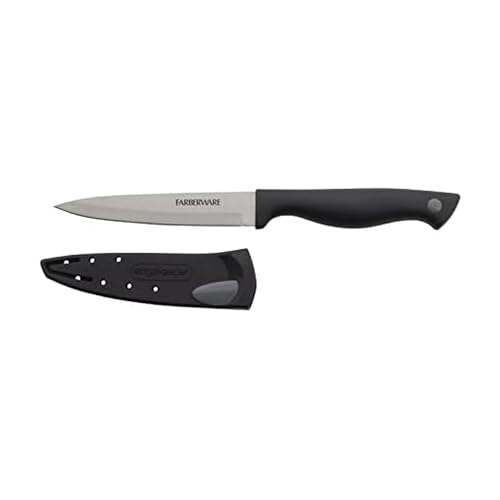
The Farberware Edgekeeper 4.5-Inch Utility Knife blends high-carbon stainless steel with a self-sharpening blade cover. This feature helps maintain a razor-sharp edge with regular use, reducing downtime for sharpening. The blade’s precision is suited for tasks like slicing fruit, mincing herbs, and trimming vegetables. The ergonomic handle provides a comfortable grip, supporting steady control during longer prep sessions.
Mercer Culinary M23306 Millennia 6-Inch Utility Knife

Mercer Culinary’s M23306 Millennia features a one-piece high-carbon Japanese steel blade for easy edge maintenance and long-lasting sharpness. Its ergonomic handle with textured finger points offers a non-slip grip for safety and comfort. This knife is ideal for day-to-day prep tasks such as slicing pickles, fruit, cheese, peeling apples, and building sandwiches, making it a versatile option for home cooks and professional kitchens alike.
Mercer Culinary M20405 Genesis 5-Inch Utility Knife
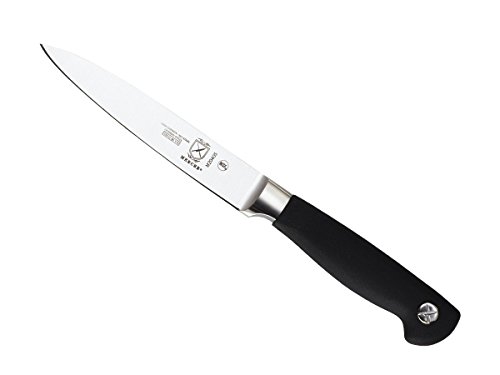
Mercer Culinary’s Genesis M20405 is precision-forged with high-carbon German steel, offering improved durability and a taper-ground edge for efficient cutting and long-lasting sharpness. The handle design emphasizes ergonomics and a non-slip grip, even with wet hands. It’s well-suited for everyday tasks like slicing, dicing, and peeling, providing a dependable middle-ground between compact utility knives and larger chef’s knives.
Babish 5-Inch Forged Utility Knife

The Babish 5-Inch Forged Utility Knife uses high-carbon 1.4116 German steel with a Rockwell HRC around 55, designed for precision cutting and stable alignment. Its tempered, ground, and polished edge maintains sharpness, while the forged, full-tang blade and double-bolstered handle provide strength and balance. This knife is well-suited for fruit, cheese, and produce tasks that require careful, controlled cuts.
Buying Guide: Key Considerations For Utility Kitchen Knives
- Blade material and hardness: Look for high-carbon stainless steel for edge retention and easy maintenance. German steel is commonly prized for balance and durability.
- Blade length and task fit: Utility knives typically range from 4.5 to 6 inches. Choose a length appropriate for the tasks you perform most often, like peeling or slicing small produce.
- Edge construction: Forged blades tend to be sturdier and better balanced than stamped blades. Consider full-tang construction for added durability.
- Handle ergonomics: A secure, comfortable grip reduces fatigue and improves control, especially during extended prep sessions.
- Maintenance features: Self-sharpening blade covers and easy-edge maintenance options help keep knives ready for use with minimal downtime.
- Maintenance routine: Regular honing and occasional sharpening extend blade life. Hand washing is typically recommended to preserve coatings and finishes.
- Value and warranty: Higher-end brands may offer better durability and warranties. Weigh price against build quality and longevity for long-term savings.
- Task versatility: If you need a single knife for multiple duties, select a versatile blade with a comfortable handle and reliable edge.
Choosing the right utility knife depends on your cutting style, kitchen size, and maintenance preferences. The selections above balance edge retention, ergonomic design, and everyday practicality, helping cooks tackle common prep tasks with reliable performance.