When preparing an emergency kit, having a reliable water filter is essential. The following five products represent trusted options for purifying water in the wild, at camp, or during a disaster. Each item is evaluated for portability, filtration capability, and ease of use to help you assemble a compact, effective kit.
| Product | Brand | Highlights |
|---|---|---|
| LifeStraw Personal Water Purifier | LifeStraw | Bacteria & parasites removal; microplastics reduction; EPA/NSF tested |
| Aquatabs Water Purification Tablets | Aquatabs | Tablets for fast chemical disinfection; broad spectrum |
| Membrane Solutions Personal Water Filter Straw | Membrane Solutions | NSF/ANSI 42, 372, 401 certified; microplastics reduction |
| BKLES 3-in-1 Solar Electric Water Filter | BKLES | Electric, solar, and hand pump modes; 6-stage filtration |
| Practical Survival Gravity Filtration System | Practical Survival | Gravity bags; high capacity; long lifespan |
LifeStraw Personal Water Purifier
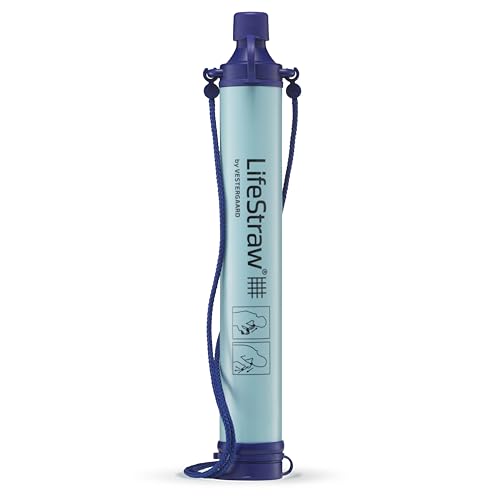
The LifeStraw purifier uses a microfiltration membrane to remove 99.999999% of waterborne bacteria and 99.999% of parasites, including E. coli, Salmonella, Giardia, and Cryptosporidium. It also reduces turbidity and removes microplastics down to 1 micron, making it suitable for backcountry use and emergency preparedness. The device is laboratory-tested with standards aligned to US EPA, NSF, and ASTM protocols, ensuring reliability in survival situations. Its compact form makes it ideal for hikers, campers, and bug-out kits.
Aquatabs Water Purification Tablets
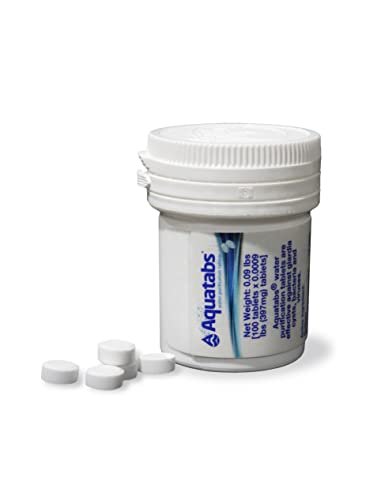
Aquatabs tablets offer rapid chemical disinfection for drinking water. They claim to remove 99.9999% of bacteria, 99.99% of viruses, and 99.9% of cysts like Giardia, making them a strong backup option in emergencies or when filtering devices are unavailable. The tablets are lightweight and designed to purify about four gallons in 30 minutes, contributing to a compact, reliable emergency water treatment solution for camping, boating, or bug-out scenarios.
Membrane Solutions Personal Water Filter Straw
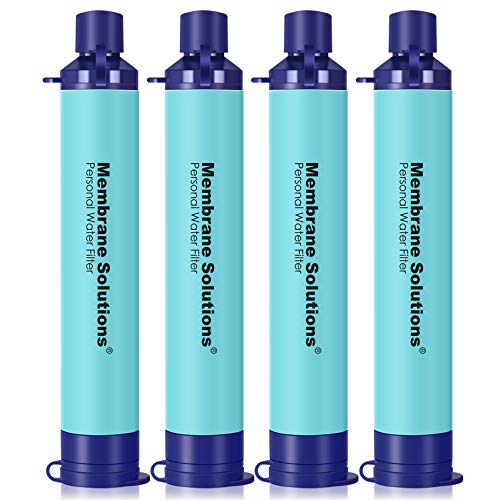
This straw filter is NSF/ANSI certified across 42, 372, and 401 standards, ensuring chlorine taste reduction, lead-free materials, and microplastics reduction. It removes 99.9999% of total coliform bacteria, including E. coli, and is designed for hydration on the go—hiking, travel, or emergency preparedness. The compact 7.1-inch design travels easily in a pack, delivering a dependable supply of clean water when clean sources are scarce.
BKLES 3-in-1 Solar Electric Water Filter

The BKLES system combines electric filtration, a solar option, and a hand pump for power flexibility. Its dual 0.01-micron ultrafiltration membranes and a six-stage purification chain (PP cotton, KDF, activated carbon) work to improve taste and reduce contaminants. SGS, FCC, and UL certifications support its reliability. With a high flow potential and multiple power modes, this model aims to deliver clean water in diverse outdoor conditions, including emergencies where power is limited.
Gravity Water Filtration System

This gravity-based system uses two high-capacity bags to separate dirty and clean water. It filters more than 99.99% of bacteria and parasites and removes microplastics down to 0.1 micron. The kit is ultralight, under a pound, and includes a 1800-gallon filter, plus a cleaning plunger and carry bag. It is well-suited for group camping, survival scenarios, and home emergency setups where gravity-fed filtration is preferred for long-term capacity and simplicity.
Buying Guide: Key Purchase Considerations
- Filtration mechanism and contaminant targets: Consider whether you need bacteria, parasites, viruses, microplastics, or chemical taste reduction. Some devices are single-function straws; others offer multi-stage filtration or chemical tablets.
- Portability and weight: For bug-out bags and hiking packs, weight and compactness matter. Personal straw filters are the lightest, while gravity kits require more space but offer higher capacity.
- Capacity and speed: If you anticipate frequent use, prioritize higher flow rates and larger water throughput per fill. Tables and chemical tablets typically provide rapid disinfection but require waiting times.
- Power options: Solar, electric, and manual pumping modes give flexibility in remote settings. In emergency kits, multi-mode devices reduce power dependency.
- Certifications and testing: Look for NSF/ANSI certifications and independent lab tests to verify claimed performance and safety.
- Maintenance and lifespan: Some filters have long lifespans or high throughput (thousands of gallons), while others require frequent replacement. Consider replacement costs and availability.
- Ease of use and field reliability: In an emergency, you want simple operation with clear indicators and minimal maintenance. Some devices may be more durable in cold or dirty water.
- Source water compatibility: Ensure compatibility with the water sources you expect (rivers, lakes, pipes, or backup rainwater). Some devices handle turbid water better than others.
- Price and value: Weigh upfront cost against lifespan, capacity, and supplemental purifiers or purification tablets to maximize preparedness within your budget.