Choosing the right water filtration system can dramatically improve taste, odor, and purity by reducing fluoride and chlorine, along with other common contaminants. The following selections prioritize proven filtration technologies, ease of use, and family-friendly capacity. Each option below addresses fluoride and chlorine reduction while balancing factors like filtration speed, capacity, and maintenance costs.
The table below highlights the five featured products to help you compare at a glance.
| Product | Brand | Type | Approximate Capacity | Filtration Focus |
|---|---|---|---|---|
| Waterdrop Large Water Filter Dispenser | Waterdrop | Dispenser | 35 cups | Fluoride, chlorine, rust reduction |
| Reshape Water 10-Cup Pitcher | Reshape Water | Pitcher | 10 cups | Fluoride, chlorine, lead, VOCs; pH increase |
| Purewell 7-Stage Alkaline System | Purewell | Under-sink / multi-filter | 2.25 gallons | Fluoride & chlorine reduction; pH balance |
| Epic Water Filters Pure Filter Pitchers | Epic Water Filters | Pitcher | 10 cups | Fluoride, chlorine, lead, Forever Chemicals (PFAS) |
| Culligan with ZeroWater Technology 32-Cup Dispenser | Culligan | Dispenser | 32 cups | Lead, PFAS, fluoride, chlorine |
Waterdrop Large Water Filter Dispenser
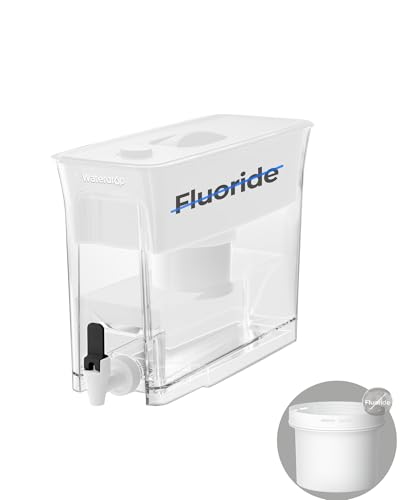
Lightweight and family-sized, the Waterdrop Large Water Filter Dispenser combines a sizable 35-cup capacity with advanced filtration that reduces fluoride and chlorine by more than 90%. The upgraded carbon block helps remove taste and odor, delivering clean-tasting water for drinking, cooking, and beverages. Its BPA-free construction and straightforward refill design make it a practical choice for households seeking a simple, effective filtration solution without installing a full faucet system.
Reshape Water 10-Cup Pitcher With 6-Stage Filter

The Reshape Water pitcher emphasizes low-cost replacement filters and long-lasting performance. Each filter lasts up to 75 days and treats about 300 liters (roughly 79 gallons). The system uses a combination of FIR balls, ion exchange resins, activated carbon, and minerals to reduce fluoride, chlorine, lead, and VOCs while increasing water pH. The result is mineral-rich, alkaline water designed to improve taste and perceived health benefits while keeping ongoing filter costs in check.
Purewell 7-Stage Alkaline Water System
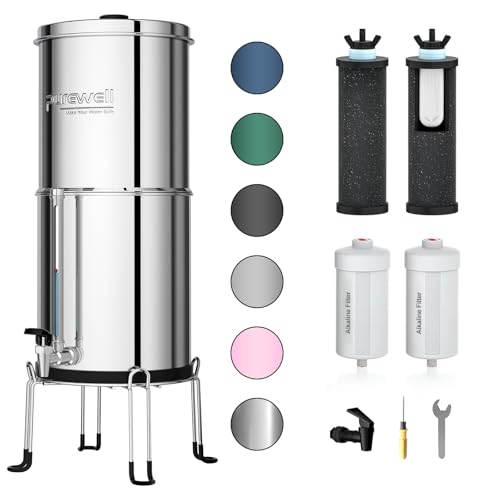
Purewell combines a 7-stage filtration approach with a 0.01 μm hollow fiber UF membrane and fluoride-reduction materials, offering substantial fluoride and chlorine reduction. The system integrates two sediment membranes and dual filtration paths to elevate pH with the white alkaline layer, delivering water that is both purified and alkalized. This setup targets better-tasting water for daily use, cooking, and beverages while supporting healthier mineral balance.
Epic Water Filters Pure Filter Pitchers

The Epic Water Filters pitcher stands out for its comprehensive contaminant removal, including fluoride, chlorine, lead, and PFAS, with NSF/ANSI standards validation. The 10-cup capacity and solid carbon block filtration are designed for households desiring a compact, refrigerator-friendly option that reduces a broad spectrum of contaminants while preserving essential minerals. The pitcher is designed to be refill-friendly and supports ongoing family use over time.
Culligan with ZeroWater Technology 32-Cup Dispenser
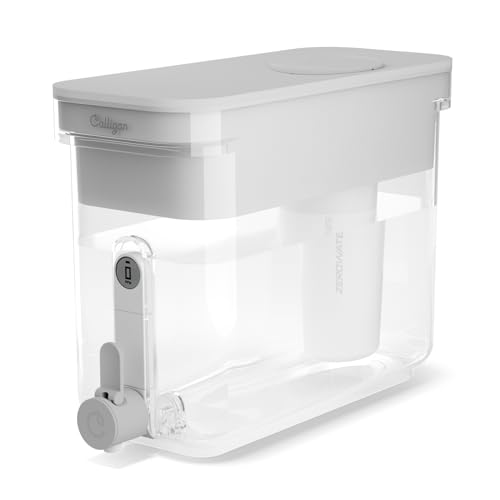
Featuring Five-Stage filtration and ZeroWater technology, this Culligan dispenser targets a broad range of contaminants, including lead, PFAS, fluoride, and chlorine. The 32-cup capacity makes it ideal for families and larger households, while the certification emphasizes substantial contaminant reduction. The system is designed for easy refilling and consistent performance in both kitchen and dining areas, offering a trusted option for ongoing drinking water filtration.
Buying Guide: Key Purchase Considerations And Comparisons
- Filtration targets and performance: Look for filters explicitly rated to reduce fluoride and chlorine, as well as other contaminants like lead, PFAS, and VOCs. Pay attention to percentage reductions when available and the presence of certifications (e.g., NSF/ANSI standards).
- Capacity and usage: Choose a model with a capacity that matches your household size and daily water consumption. Larger dispensers and pitchers reduce the frequency of refills but take up more counter or refrigerator space.
- Filtration cost and maintenance: Compare replacement filter lifespans and costs. Some systems offer cost savings with longer-lasting or multi-stage filters, while others emphasize rapid, easy replacements.
- Flow and convenience: Consider how quickly water can be dispensed, whether the unit fits in your refrigerator, and how easy it is to refill. Under-sink or countertop units may suit different kitchens and drinking routines.
- Alkalinity and taste: Several models blend alkalizing features or minerals to improve pH and taste. If you prioritize pH balance, seek systems that explicitly mention alkalizing stages or mineral addition.
- Durability and materials: BPA-free plastics and sturdy construction are important for long-term use, especially in households with children. Look for dishwasher-safe components where possible to simplify maintenance.
- Installation and compatibility: Some options are ready to use with minimal setup, while others may require more involved installation. If you already have a specific faucet or plumbing configuration, check compatibility.
- Certification and safety: Prioritize products with independent testing and certifications. This offers validation that the filtration claims are backed by testing protocols and third-party verification.
These considerations help compare products across price ranges, capacities, and filtration approaches. When evaluating, align your choice with the primary use—daily drinking water, cooking, or gardening—and the level of filtration you require for specific contaminants.