Choosing the right corker can improve sealing consistency and streamline bottling for home winemakers. This guide highlights five reliable corkers, spanning lever and floor models, with durable construction and user-friendly features. Each product is tied to a reputable brand and designed to work with common cork sizes, helping preserve flavor and aroma. The selection below offers options for small batches and larger bottling sessions alike.
| Product | Brand | Key Benefit |
|---|---|---|
| FastRack Double Lever Corker | FastRack | Dual-lever design for easy corking and airtight seals |
| Portuguese Double Lever Corker | FastRack | Classic lever mechanism with solid leverage |
| Wine Bottle Floor Corker | FastRack | Simple floor-operated corking for quick bottling |
| FastRack 45-CZ-85-D6BG Floor Corker | FastRack | Adjustable depth with comfortable grip for large batches |
| WENNING Manual Double Lever Corker | WENNING | Double-lever, compact kit with corks for beginners |
The following sections provide detailed overviews of each product, including design, usability, and the types of corks supported, to help you compare options for your home winery or bottling project.
FastRack Double Lever Corker With Corks
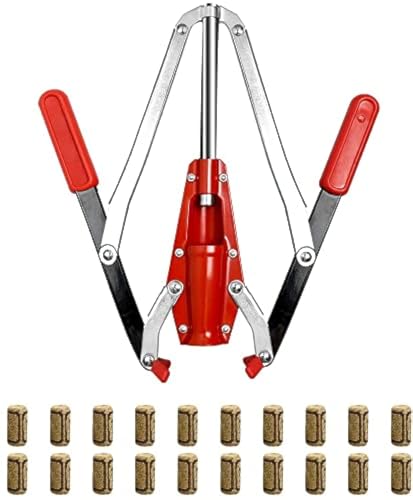
The Double Lever Corker from FastRack uses a robust dual-lever design to optimize leverage and control during cork insertion. It includes 20 corks, accommodating #7, #8, and #9 corks for reliable, airtight seals. The package emphasizes consistent results across multiple bottles, supporting home winemakers who bottle in moderate volumes. The tool is built to minimize cork breakage and deliver even pressure, helping preserve aroma and flavor over time.
Portuguese Double Lever Corker

This FastRack model provides a straightforward double-lever mechanism designed for smooth corking with reduced effort. It emphasizes durability and ease of use, making it a practical choice for hobbyists who perform regular bottling sessions. The lever action helps distribute force evenly to prevent cork damage and ensure a consistent seal, supporting the preservation of wine quality across batches.
Wine Bottle Floor Corker
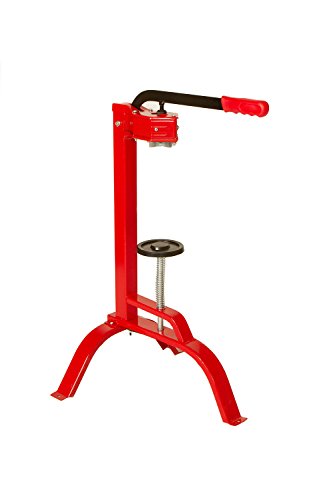
The floor corker offers a simple, foot-controlled approach to corking, suitable for standard wine bottles as well as Belgian beer and synthetic corks. A rolled steel construction paired with a plastic handle provides durability and a comfortable grip. This model is designed for users who want a reliable, no-fuss corking experience with steady results in home bottling setups.
FastRack 45-CZ-85-D6BG Floor Corker

This Portuguese floor corker features adjustable plunger depth and a molded grip handle for comfortable, efficient use. It is designed for quick corking in home winemaking environments and provides stable performance with repeated use. The unit emphasizes a secure seal and fast operation, making it a solid option for bottling larger batches without fatigue.
WENNING Manual Double Lever Corker Kit

The WENNING kit pairs a double-lever corker with 30 wine corks, forming a complete entry-level bottling solution. Constructed from tempered steel with a zinc finish and a non-slip handle, it aims to provide durable performance in home brewing tasks. The design focuses on quick sealing and a secure fit for 2.2×4.4 cm corks, making it suitable for new winemakers learning bottling technique.
WQV Hand Corker Kit with Corks

WQV’s hand corker offers a compact, manual option for bottling at home. The kit includes corkscrew functionality with rubberized handling to reduce slipping during operation. It also includes two POM stoppers sized to fit standard cork dimensions, enabling quick re-corking and easy resealing of bottles during experiments or small-batch production.
Buying Guide: Key Purchase Considerations
- Type: Levers vs. floor models. Lever corkers are typically faster for medium volumes, while floor corkers are simple and sturdy for larger batches.
- Material and build: Look for steel or heavy-duty plastic handles, rust resistance, and stable bases to minimize wobble during operation.
- Cork compatibility: Confirm the cork size range (commonly #7–#9) and whether the corker supports agglomerated or natural corks.
- Ergonomics: Consider grip comfort, lever effort, and handle shape to reduce fatigue during extended bottling sessions.
- Included accessories: Some kits come with corks or shrink capsules; others are empty shells that require separate purchases.
- Maintenance: Choose models with straightforward disassembly for cleaning to maintain hygiene and longevity.
- Batch size: Align the corking device with your expected monthly bottling volume to avoid bottlenecks or overinvestment.
- Compatibility with bottling necks: Ensure the device matches bottle neck dimensions you typically use in home winemaking.
When selecting a corker, consider your workflow, bottle size, and preferred cork type to optimize sealing reliability and aroma retention. The options above provide a spectrum from compact kits to high-volume floor corkers, helping you find a solution that aligns with your winemaking goals.